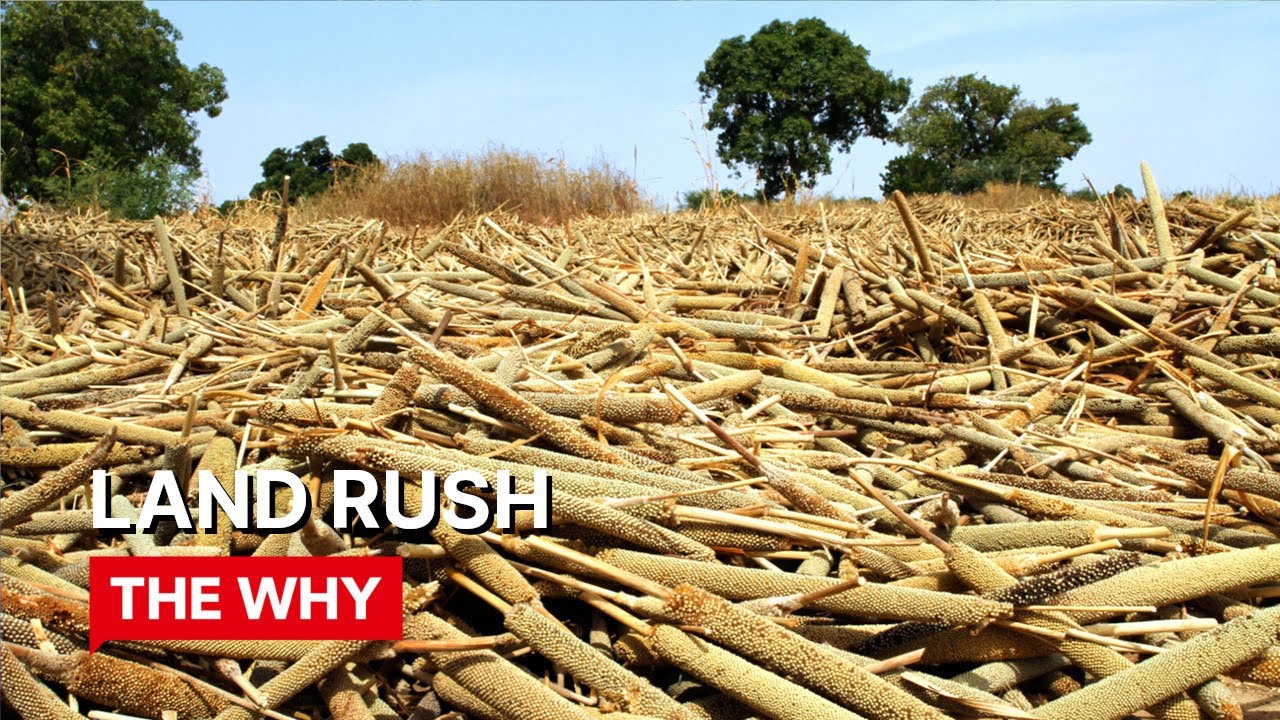
Land Rush
Since the 2008 food price crisis, wealthy governments and corporations have started buying and leasing farmland in poorer countries to secure their own food supplies, and Mali has become one of the biggest targets: 60% of the world's arable land sits in Africa, and 75% of Mali's population farms for a living. The film follows China, Saudi Arabia, and other investors negotiating deals to convert Malian farmland into large-scale agribusiness, and the Malian peasants who see the leases as a new form of imperialism rather than development. A military coup interrupts the process, scaring off the developers mid-deal, and the film uses that pause to ask what happens next: whether Mali's farmers can rebuild food security on their own terms once the outside money leaves. Context arrives in blunt numbers, Africa exported 1.3 million tonnes of food a year at decolonization and now imports a quarter of what it eats, a reversal the film treats as the real story behind the land deals.