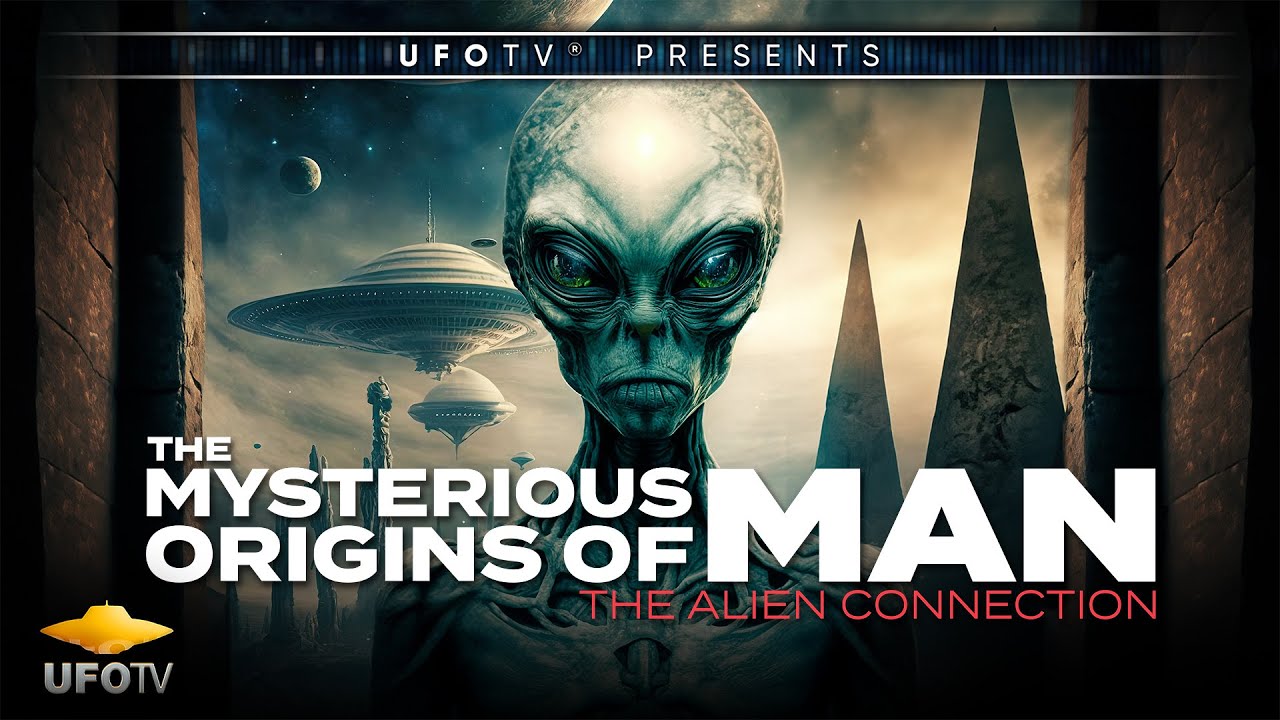
The Mysterious Origins of Man: Part 2
Michael Cremo and Richard L. Thompson return as the featured voices arguing that Darwinian natural selection cannot fully explain human origins, building on the original NBC broadcast with fresh material on what they call suppressed evidence. The film revisits misshapen ancient skulls, the pyramids at Giza, and the ruins of Tiwanaku in Bolivia as sites that supposedly resist conventional archaeological dating. Graham Hancock, author of Fingerprints of the Gods, lays out his pole-shift hypothesis, proposing that a cataclysmic shift around 10,000 BC redistributed ancient cultures and drowned Atlantis somewhere beneath what is now Antarctica. Other segments examine a claimed man-made tool found near dinosaur fossils, offered as evidence that humans and dinosaurs coexisted, and raise the possibility of extraterrestrial influence on human development. Mainstream archaeologists and evolutionary biologists are not given screen time to respond; the case rests entirely on its own researchers and narration. The film is a companion piece rather than a stand-alone argument, assuming familiarity with the claims raised in the first Mysterious Origins of Man broadcast.