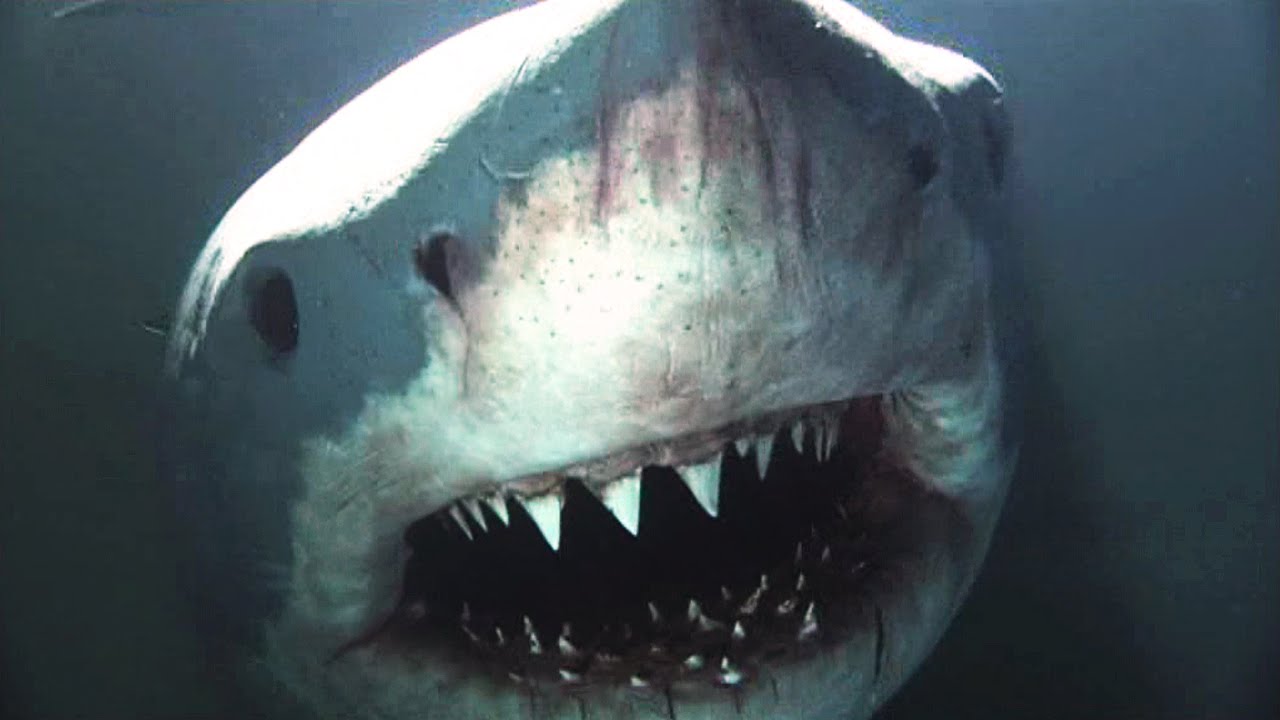
The Science of Shark Attacks
Sharks kill only a handful of people worldwide each year, yet few animals carry a heavier reputation for violence. This film sets out to explain that gap, pairing survivors who describe the attacks that nearly killed them with ichthyologists who break down what a shark is actually doing when it bites a human. Of more than 470 known species, only four turn up repeatedly in fatal unprovoked attacks: the great white, oceanic whitetip, tiger, and bull shark, and the film gets footage of all of them filmed without a protective cage. Scientists walk through the sensory cues, vibration, scent, silhouette, that can make a swimmer register as prey by mistake, and offer practical advice on reducing risk in the water. The film also traces how the man-eater image took hold, from the 1916 Jersey Shore attacks to the Jaws films, and notes that Jaws author Peter Benchley and director Steven Spielberg both later worked to undo the monster reputation their own story helped create. Efforts to blunt sharks' attack responses toward humans close out the film.