Utopia on the Horizon
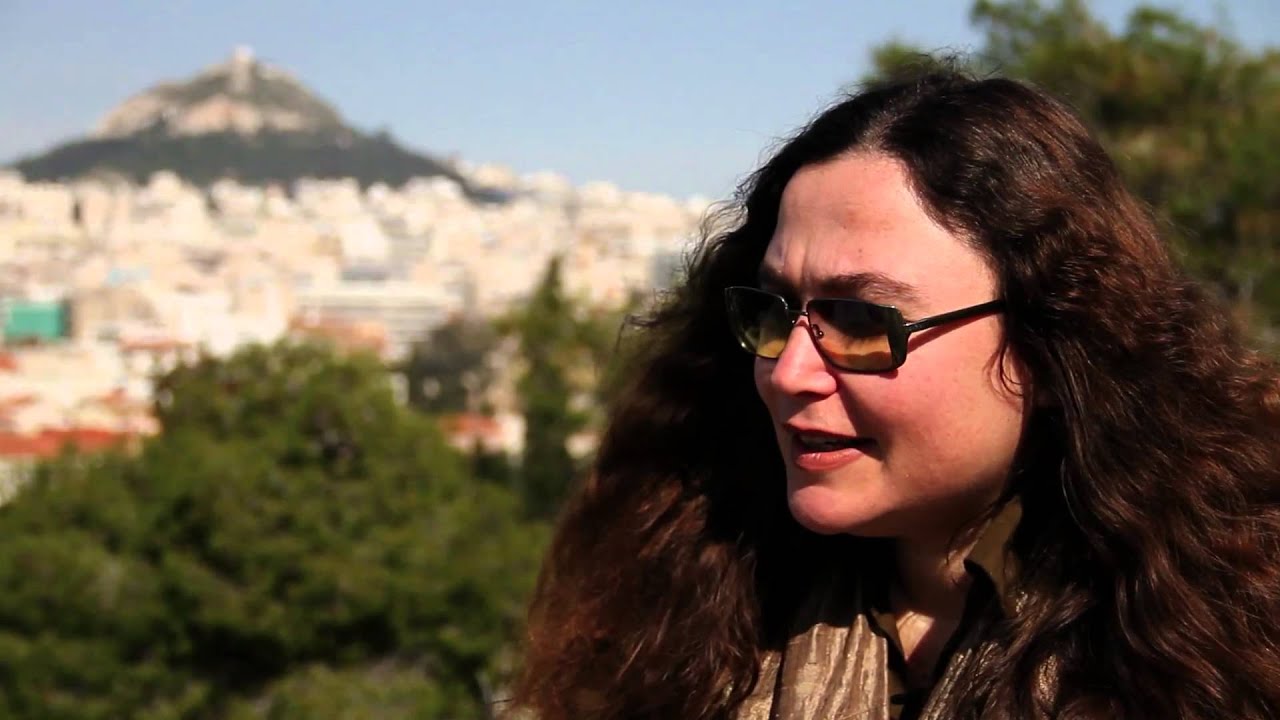
Syntagma Square in Athens fills with hundreds of thousands of Greeks in May 2011, protesting austerity measures and the sell-off of public assets to creditors and domestic elites. Within days a protest camp takes shape there, run on direct democracy, leaderless self-management, and mutual aid, an experiment the film treats as a working model of an alternative society rather than a footnote to the crisis. That experiment ends on June 28-29, when police clear the square by force during a parliamentary vote on further austerity. A year later, researchers Leonidas Oikonomakis and Jérôme Roos return to Athens and put the camera in front of the people who were there: activists from the occupation and Manolis Glezos, the WWII resistance figure who lends the movement a historical throughline. Their testimony carries the film rather than narration, tracking the camp from its founding principles through the crackdown that ended it. The result is a record of one country's crisis and one attempt, however brief, to govern a public square without a government.