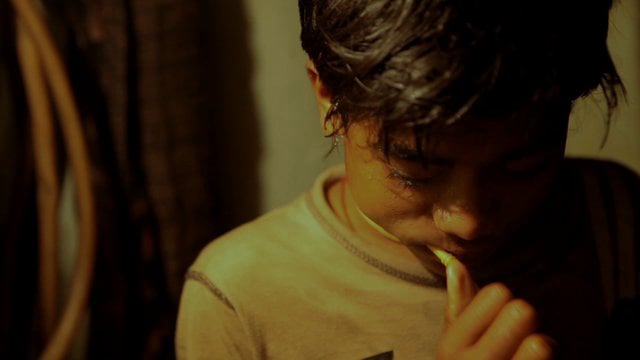
Amar
Amar is fourteen, and this observational short follows him for a single day stretched to twenty hours of waking life in India. There is no narrator and no interview chair; the camera simply stays with him through chores, school, work, and the small stretches of rest in between, letting his routine explain itself. The film's structure is the day itself, sunrise to the point where Amar finally stops moving, and it trusts the accumulation of ordinary tasks to say more than commentary could. Nothing is staged as drama and nothing is explained for an outside audience; the point is proximity, watching one boy's actual hours rather than a summary of them. It plays like a small piece of ethnographic record, the kind of daily-life document that usually goes unfilmed, and it ends simply, with Amar's day finally running out of hours.