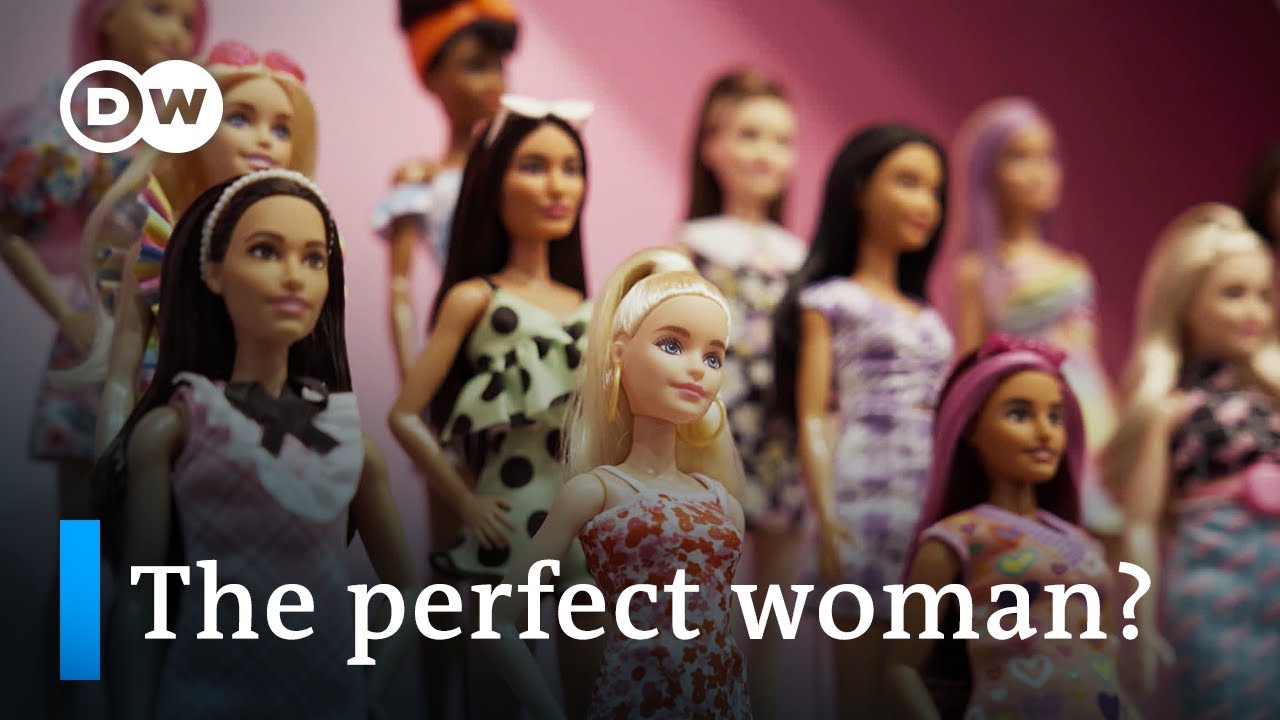
Barbie: The World's Greatest Influencer?
Ruth Handler, a Jewish-Polish immigrant who co-founded Mattel with her husband, spotted a German tabloid doll called Lilli on a trip to Europe and turned the idea into Barbie, unveiled at the 1959 New York toy fair. Mattel sold roughly 350,000 dolls in that first year alone, launching a toy that broke from baby dolls meant to rehearse motherhood and instead gave girls a figure with her own house, car, and career. This film tracks how that concept became a media empire, from Barbie's stints as president and astronaut decades before women held either job, to her recent Hollywood movie and pink-fever marketing blitz. It meets Barbie content creators building followings on Instagram, visits the world's most prolific collector, who owns 18,500 dolls, and talks to fans and feminists split on what the doll represents. German marine biologist Antje Boetius appears as one of the real women recently honored with a Barbie made in her likeness, part of the film's look at how an object of both love and hate keeps reinventing itself.