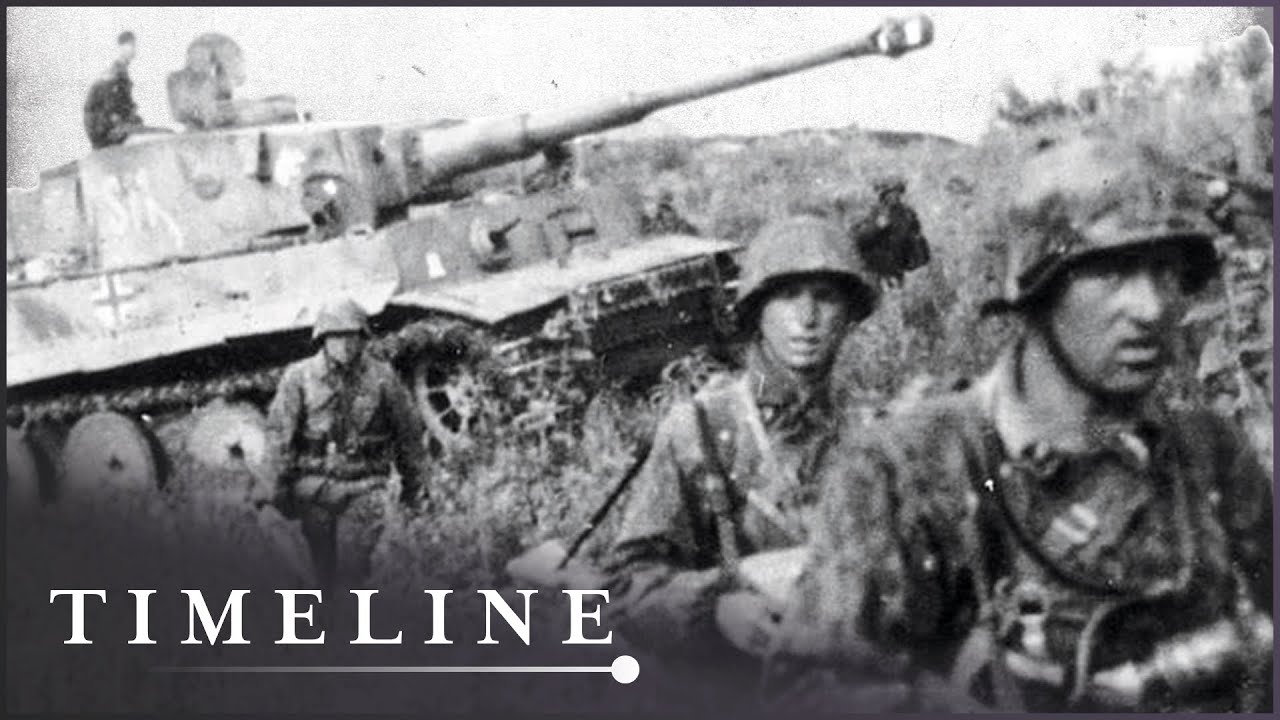
Blitzkrieg As It Happened: How Hitler's Army Took Europe So Quickly
Blitzkrieg was not a doctrine the German army wrote down in advance; it was a set of tactics improvised, tested, and named only after the fact once journalists needed a word for what they had just watched happen. This film traces how fast-moving tank columns, close air support, and radio coordination let the Wehrmacht overrun the Netherlands, Belgium, and France in weeks rather than the years the previous war had taken. Archival footage of Panzer divisions crossing the Ardennes and Luftwaffe dive-bombers hitting road junctions sits alongside expert commentary explaining why French and British commanders, still planning for static trench warfare, could not react fast enough to stop the advance. The film breaks the campaign into its separate national collapses, showing how each country's defenses failed for different reasons, and asks what actually made the new German method work: speed, communication, or an enemy unprepared for either. It closes with the fall of France and the tactic's reputation cemented as the defining shock of the war's early years.