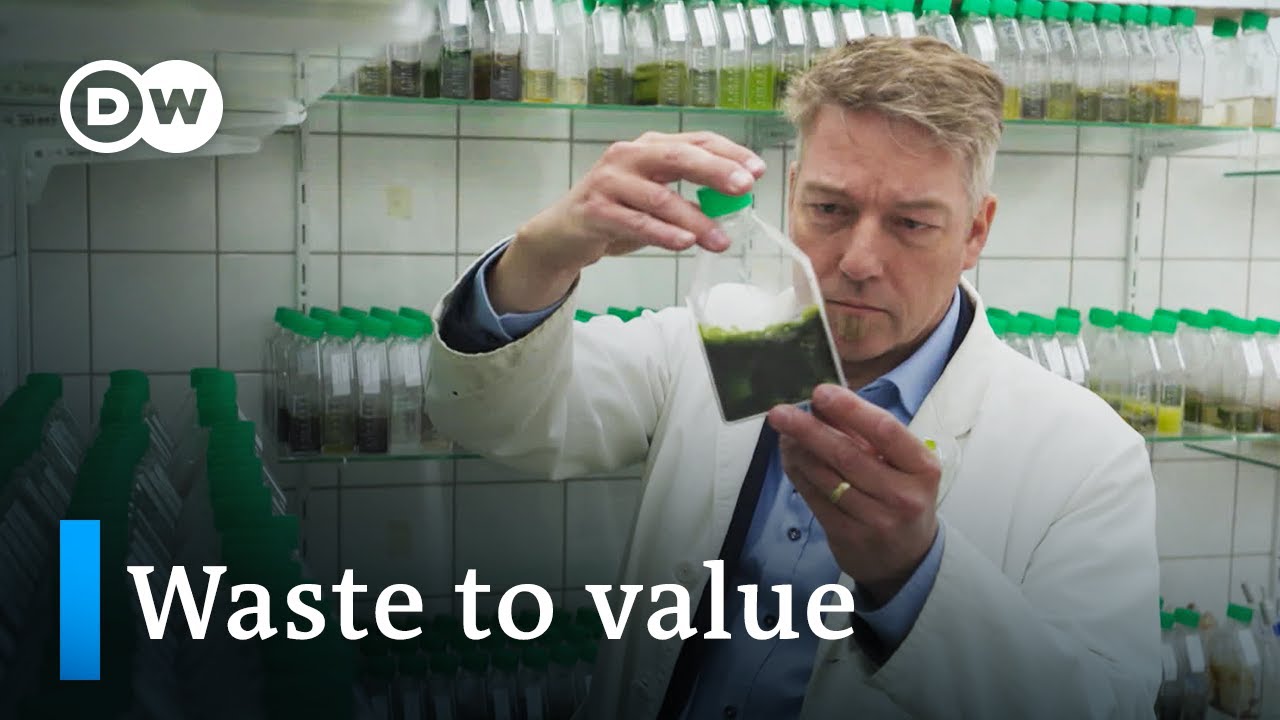
Can Algae Save the World?
Microalgae can bind CO2, form limestone, replace plastic, and even produce edible dyes using nothing but sunlight. This film follows biologist Michael Lakatos and his team at Kaiserslautern University of Applied Sciences over nearly a year, as their project "Waste to Value" hunts for algae and bacteria species with useful biochemical talents. The crew tracks researchers collecting samples in the field, running lab experiments to test which strains form limestone suitable for bio-cement, and evaluating others as candidates for biodegradable plastic substitutes or natural food coloring. One sequence follows the team into a Spanish cave used by space agencies to simulate Martian conditions, where they test whether algae could serve as a food source for astronauts on long missions. Interviews with Lakatos and his colleagues lay out both the promise and the practical hurdles of scaling lab-grown algae into industrial materials or space rations. The film treats algae as a plausible tool against climate change and resource scarcity, without overselling how close any of these applications are to real-world use.