Can Modern Athletes Perform As Well With Equipment From Last Century?
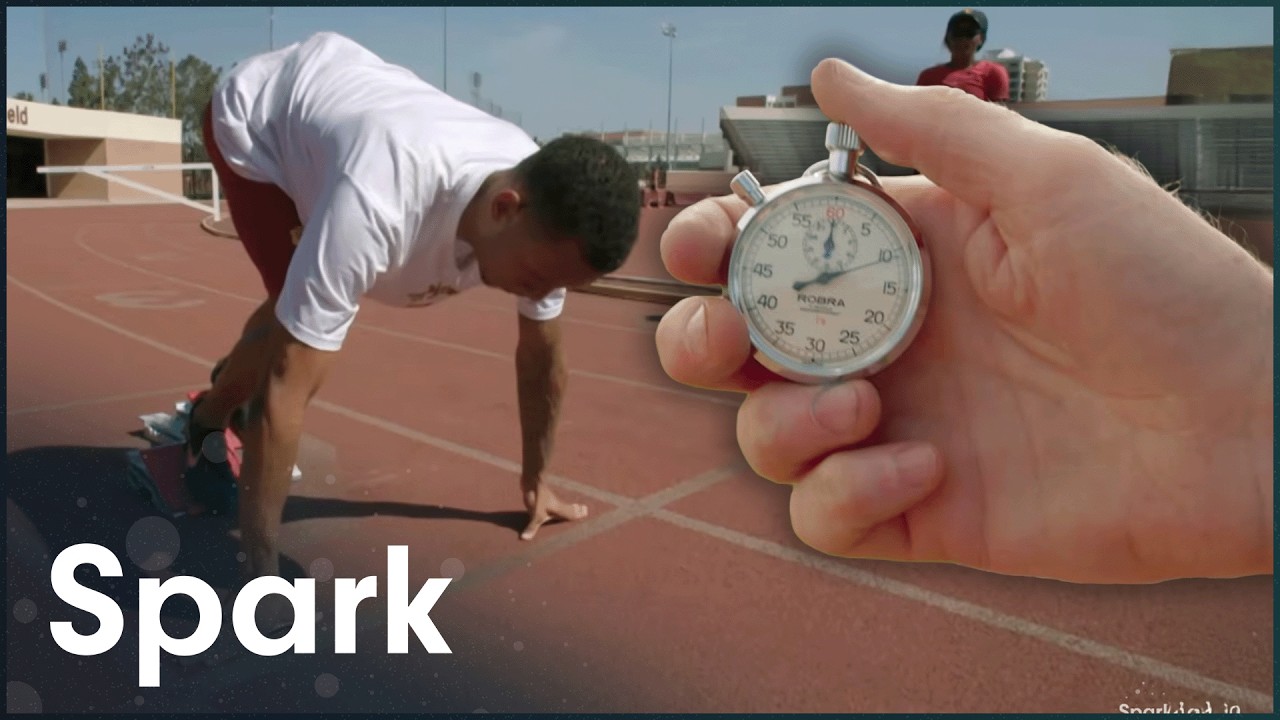
Sports scientists and engineers test whether today's elite athletes owe their records to biology or to gear, by making them compete with equipment from decades past. Olympic sprinter Andre De Grasse trades his synthetic track and modern spikes for the packed dirt and leather shoes Jesse Owens ran on in 1936, while swimmer Paul Biedermann pulls on a pair of Mark Spitz-style briefs after years of racing in banned polyurethane super-suits. Engineers break down the physics involved along the way, from the aerodynamic drag of vintage bicycle frames to the stiffness of carbon fiber kayak hulls versus older wooden and fiberglass designs, using data and slow-motion footage to show exactly how much time each piece of equipment is worth. The film treats the vintage gear tests as genuine experiments rather than stunts, with athletes visibly struggling to adjust their technique to older, less forgiving equipment. It builds toward a specific question: when the equipment gap is closed, how much of the modern advantage disappears, and how much is the athlete.