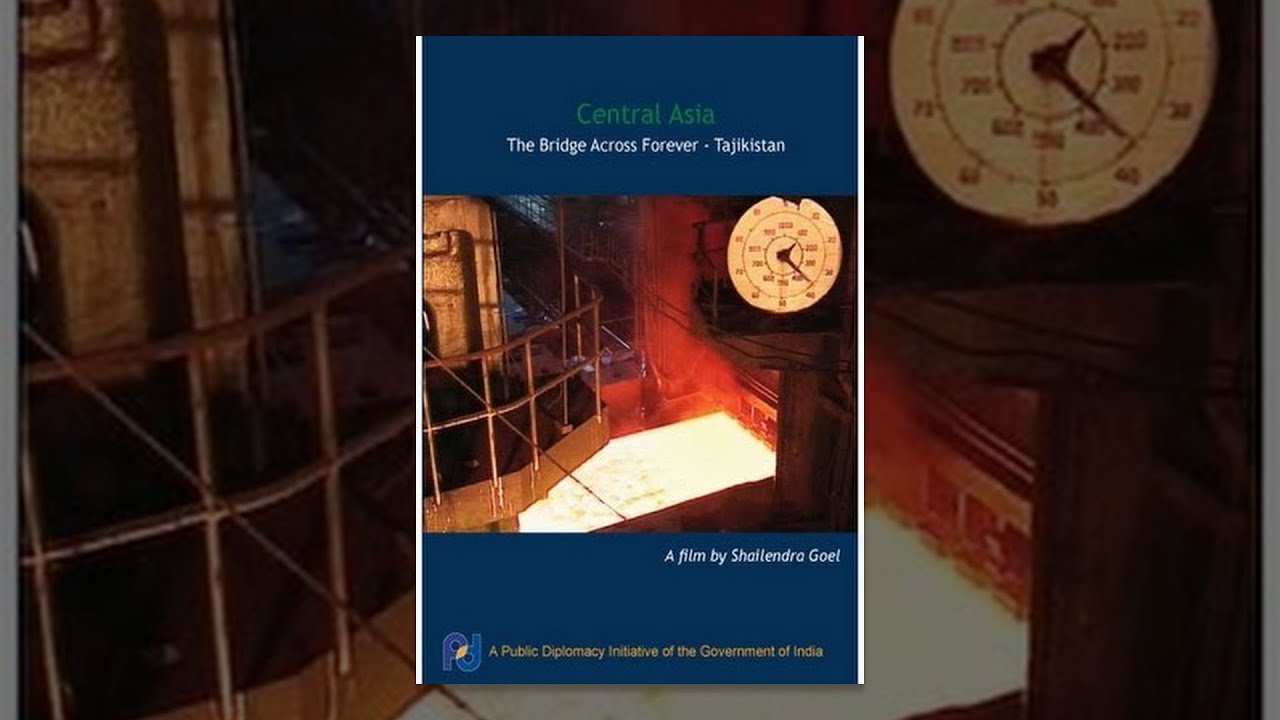
Central Asia: The Bridge Across Forever - Tajikistan
Tajikistan and India sit at opposite ends of a relationship the film traces back through the Silk Route, the trade corridor that once carried goods, ideas, and religious movements between Central Asia and South Asia. The film moves through the shared history of the two regions, from the merchants and conquerors who crossed that route to the Sufi saints, among them Amir Khusrau, whose travels between the two cultures left behind poetry, music, and religious practice that both countries still claim as part of their heritage. It treats secularism as the thread running through this relationship, presenting it as a value that shaped both Indian and Tajik society and allowed such different cultures to keep exchanging people and ideas over centuries. Interviews and historical material build toward the present day, arguing that trade and diplomatic ties between Dushanbe and New Delhi are no longer aspirational but active. The film reads as a case study in how an old trade route can still shape a modern bilateral relationship.