Challenges of Getting to Mars: Curiosity's Seven Minutes of Terror
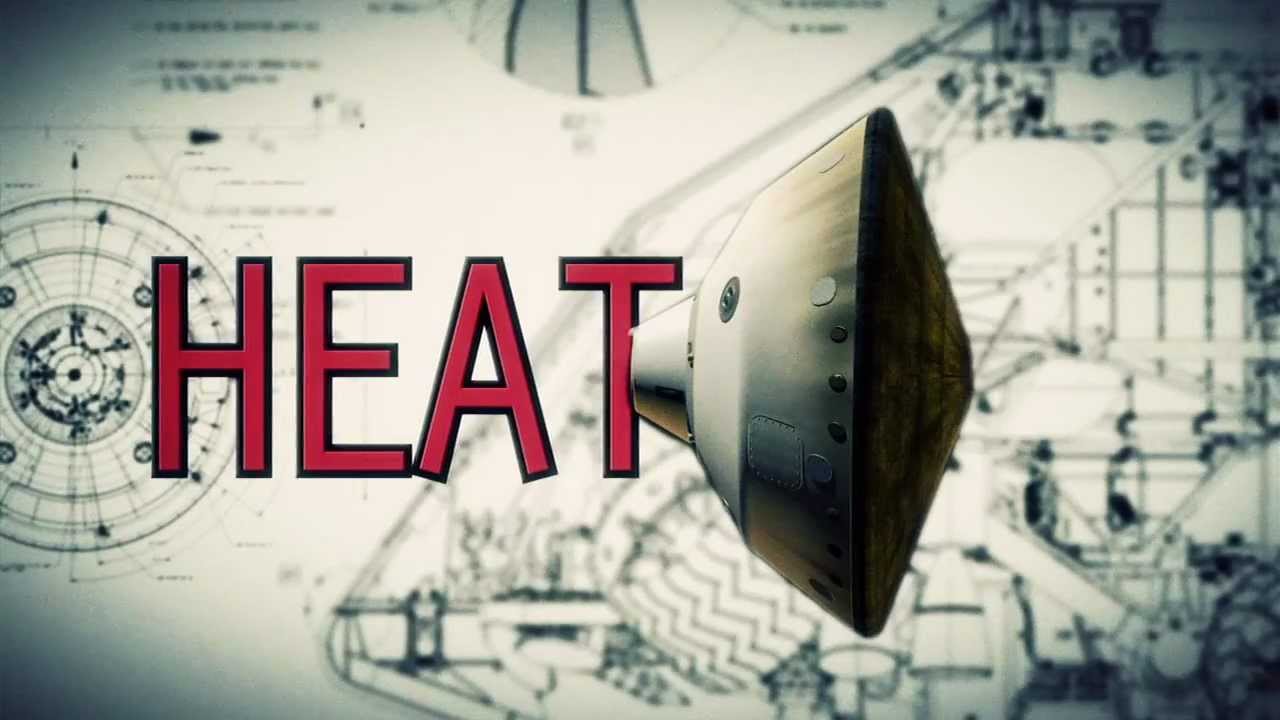
Landing a one-ton rover on Mars means slowing from 13,000 miles per hour to a dead stop in about seven minutes, with no way for engineers on Earth to intervene once the descent begins. Team members at NASA's Jet Propulsion Laboratory walk through what that sequence actually requires: a heat shield surviving atmospheric entry, a supersonic parachute, retrorockets, and finally a sky crane that lowers Curiosity to the surface on cables before flying off to crash at a safe distance. Engineers explain why so many things have to work in perfect order and why so many past Mars missions failed at exactly this stage. Animations reconstruct the untested landing system stage by stage, and the film closes with the actual first images beamed back from Gale Crater once Curiosity touched down safely in 2012. It is a short, plain account of an engineering problem with no margin for error, told by the people who built the solution and then had to watch it happen without being able to help.