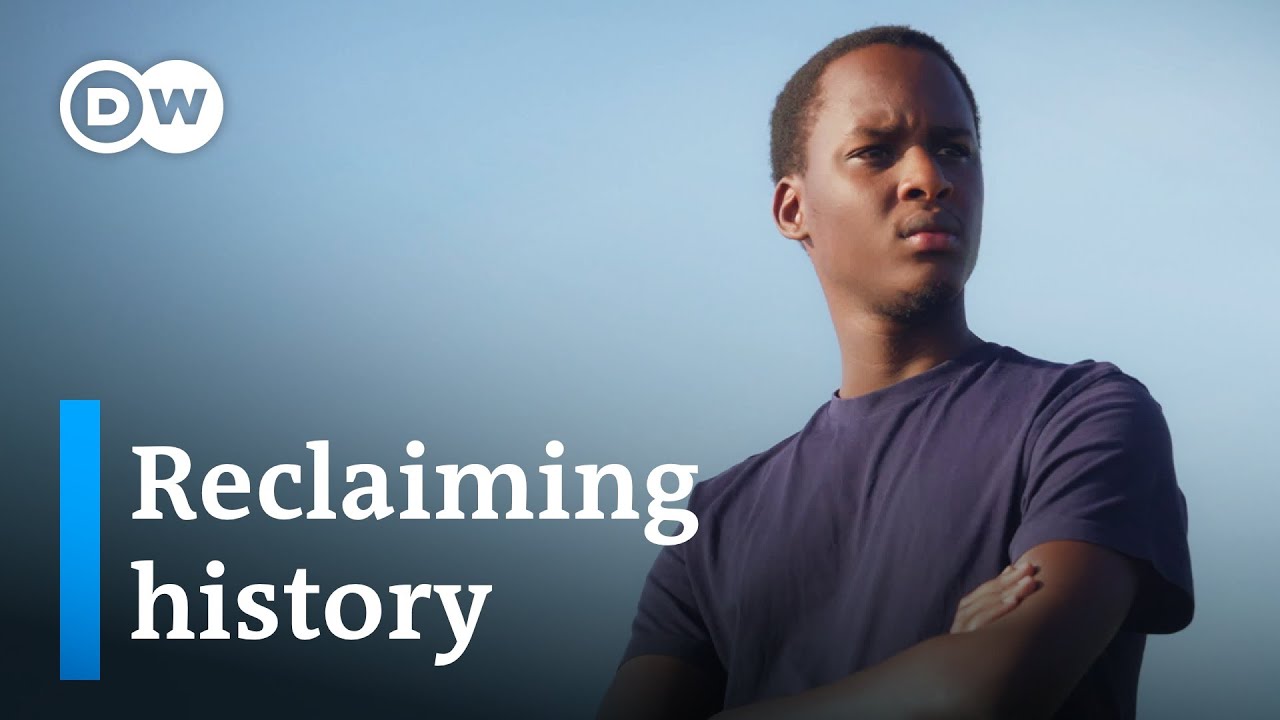
Colonial Roots of the Genocide in Rwanda
Samuel Ishimwe was two years old when his parents were murdered in the 1994 genocide against Rwanda's Tutsi minority, one of up to a million killed between April and July of that year. Thirty years later, he travels from Rwanda to Germany and Belgium, the country's two former colonial rulers, to trace how the killing became possible. He meets historians and survivors, examines the "Hamite hypothesis" that cast Tutsis as a racially superior group, and confronts the human skulls taken from Rwanda to Germany more than a century ago. The film traces how German colonizers, present from the late 19th century until 1916, redefined the Hutu-Tutsi relationship as a fixed racial hierarchy rather than the fluid social classes it had been, and how the Belgians who succeeded them later withdrew support from the Tutsi monarchy in the 1950s, enabling a Hutu power seizure. Samuel's central question stays unresolved by design: how much blame belongs to the colonizers, and how much to Rwandans themselves.