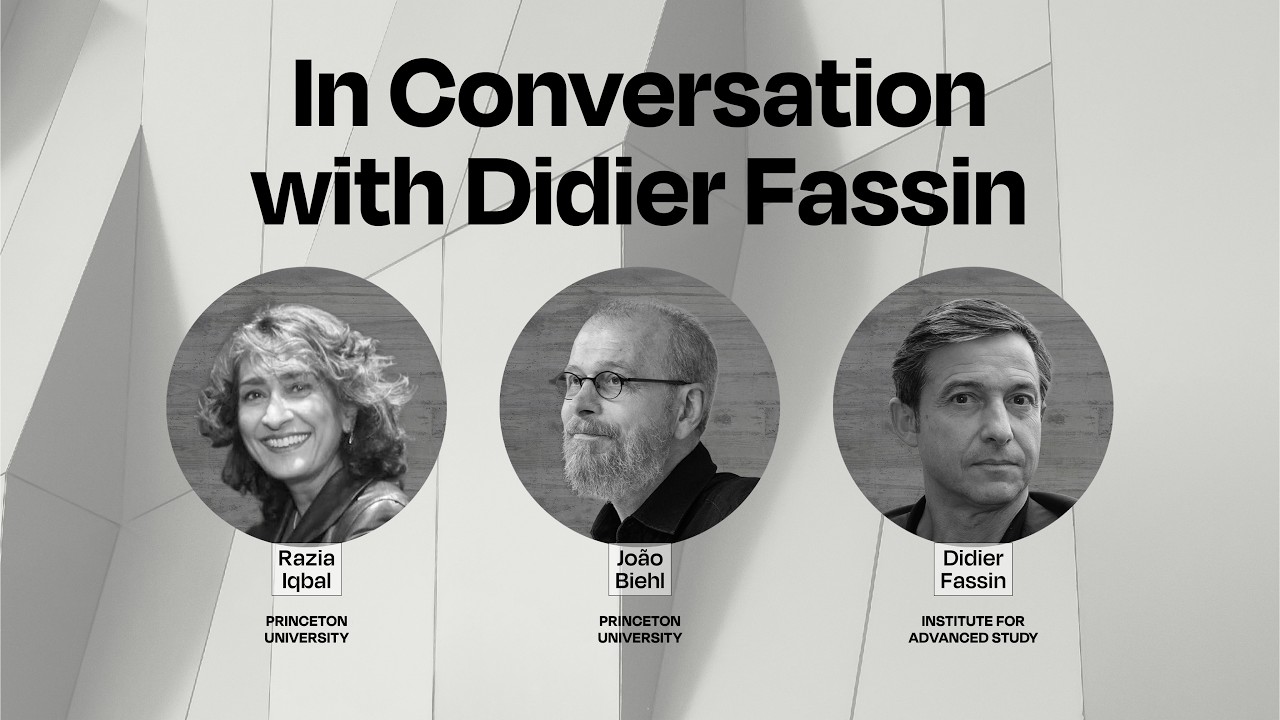
Critical Intent as a Form of Life: In Conversation with Didier Fassin
Anthropologist Didier Fassin sits down for an extended conversation at the Institute for Advanced Study to explain what he means by critical intent as a way of practicing scholarship rather than a detached method. Drawing on his fieldwork on policing in French banlieues, immigration and asylum procedures, and public health responses to AIDS, Fassin argues that genuine critique requires living inside the situations one studies long enough to feel their moral weight. The discussion moves between his own career, from medicine to anthropology, and broader questions about what obligates a scholar to take a position rather than stay neutral. His interviewer presses him on specific cases from his books, including humanitarian reason and the policing of the poor, and Fassin responds with concrete examples from courtrooms, clinics, and police stations. The result is a substantial dialogue about method, ethics, and the role of the social scientist as witness.