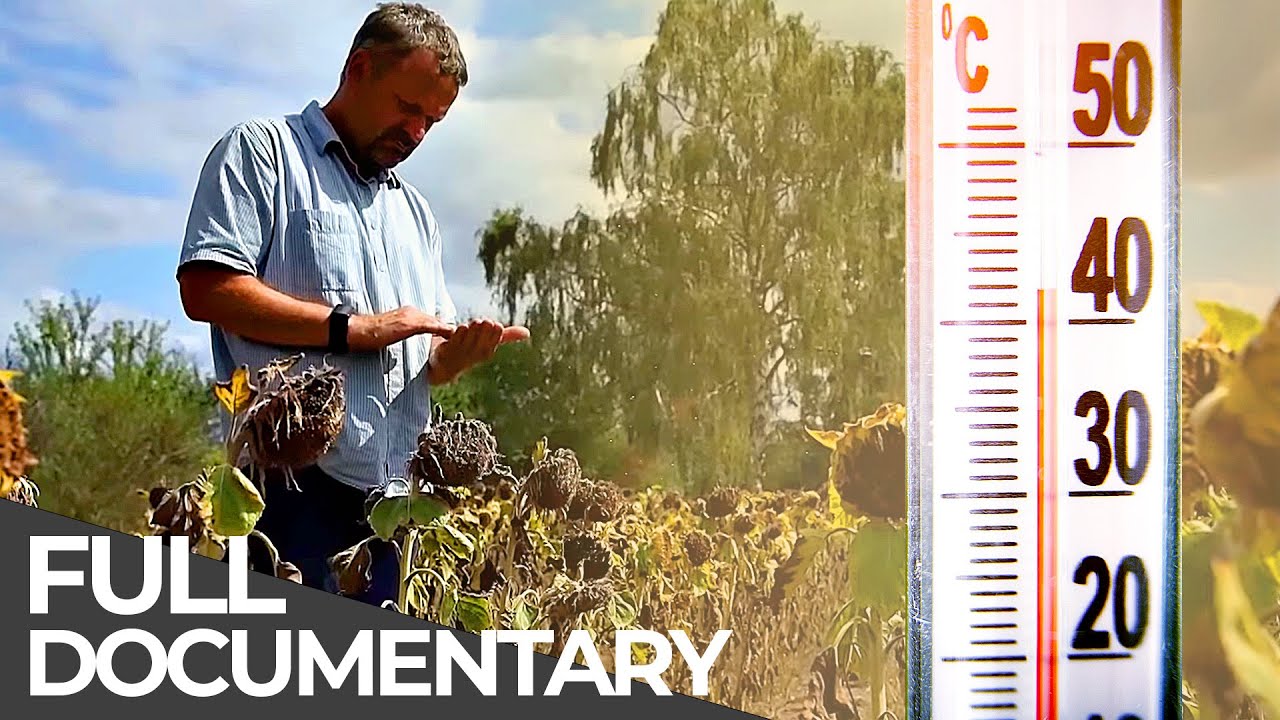
Deadly Disasters: Heatwaves
Heat does not look like a disaster until the death tolls come in. This film examines two of the deadliest heatwaves on record: Russia in 2010, where extreme temperatures are estimated to have killed 56,000 people, and Europe in the summer of 2003, blamed for roughly 70,000 deaths. Friederike Otto, Director of the Environmental Change Institute at Oxford University, explains why populations in places like Saudi Arabia routinely endure 40-degree heat with little harm, while the same temperatures proved catastrophic elsewhere, pointing to infrastructure, humidity, and lack of preparedness rather than the thermometer alone. Archival footage shows wildfires, dried-up rivers, and overwhelmed hospitals during the two crises, while experts break down the physiological mechanisms that make heat one of the quietest but most lethal natural disasters, killing gradually rather than dramatically. The film treats heatwaves as an underestimated hazard, building its case through comparison rather than spectacle, and closes by tying both events to the broader question of how climate change is making such extremes more frequent.