Don Quixote, Part I: Chapters XXVII-XXXV
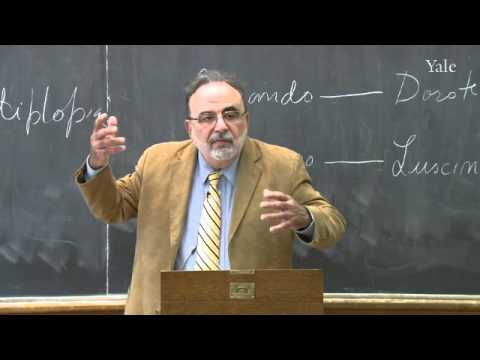
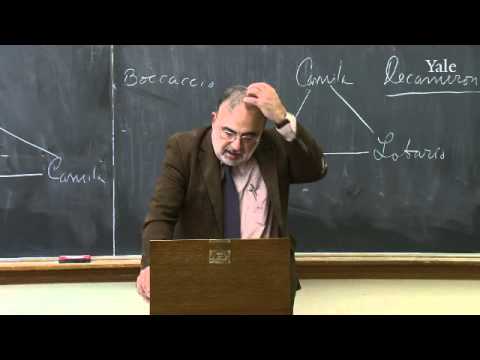
Roberto González Echevarría continues his Yale course on Cervantes' Don Quixote with a lecture on chapters XXVII through XXXV of Part I. He examines how Cervantes builds a network of interlocking stories, combining the chivalric romance's linear structure with the multiple-narrative design of novella collections, so that characters invent meta-characters and interrupted tales reveal buried memories and inner thoughts. He treats memory as both a repository of the past and the force that structures the self in the present. A central example is Dorotea, whose body becomes an object of converging gazes in a scene González Echevarría reads as a display of Renaissance narrative artistry and theatricality. The lecture closes on questions the novel raises about role playing and fictional agency: is living the acting out of assigned roles, and are people bound by ethics even as characters in someone else's story.