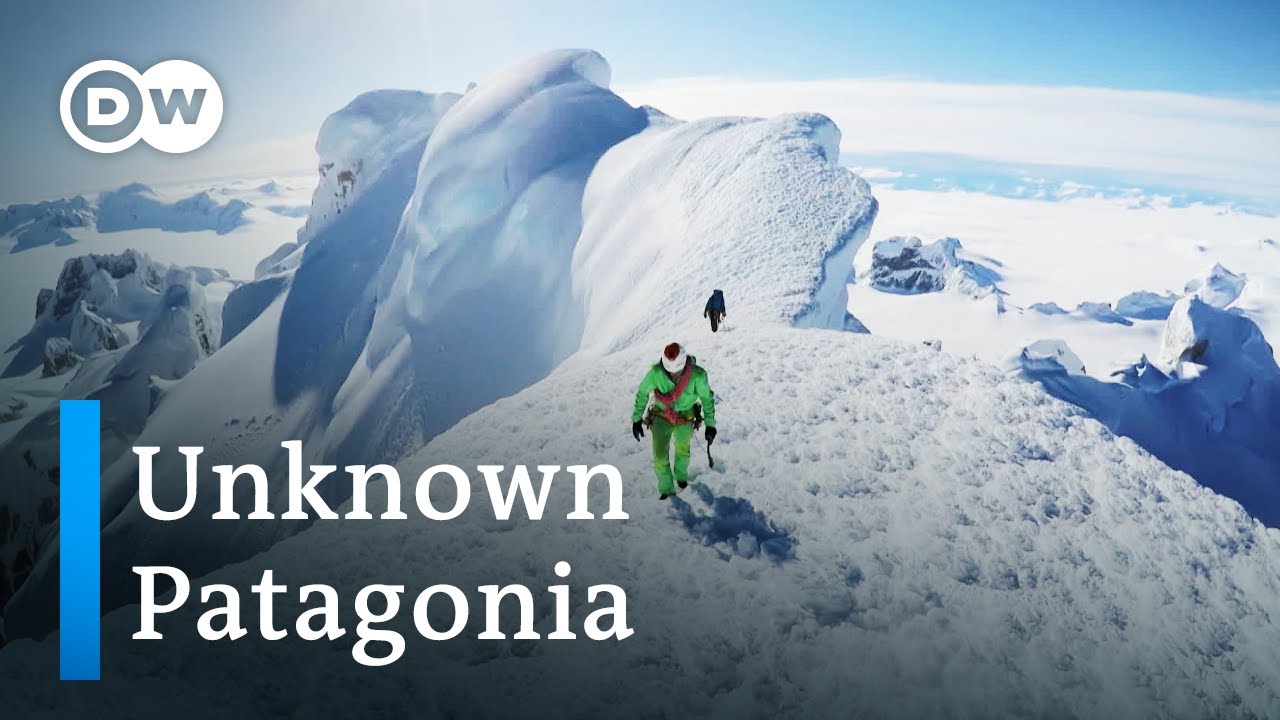
Extreme Climate Research: On the Road in the Icefields of Patagonia
Patagonia's icefields hold the largest ice mass outside the polar caps, but climate change is stripping some areas of up to 20 meters of height a year, and almost nothing is known about why. Glaciologist Tobias Sauter of Humboldt University has spent 15 years studying the region using mostly satellite data, since the high summit areas are nearly impossible to reach on foot. To finally collect direct samples, he teams up with mountain guides Robert Jasper and Jorn Heller, who have spent three decades scouting unclimbed routes through the Patagonian Andes. A camera crew follows the expedition across the border zone shared by Chile and Argentina, through whiteout storms and exposed ice ridges, as the team hauls equipment toward terrain that has never been measured on site. The footage alternates between the science, drilling for cores and reading instruments, and the mountaineering itself, roped traverses and camps pitched in brutal wind. It is a portrait of how little fieldwork actually happens in one of the planet's most remote and fastest-changing landscapes.