Faulkner -- As I Lay Dying, Part II
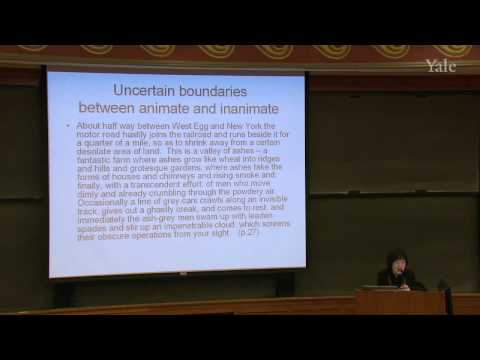
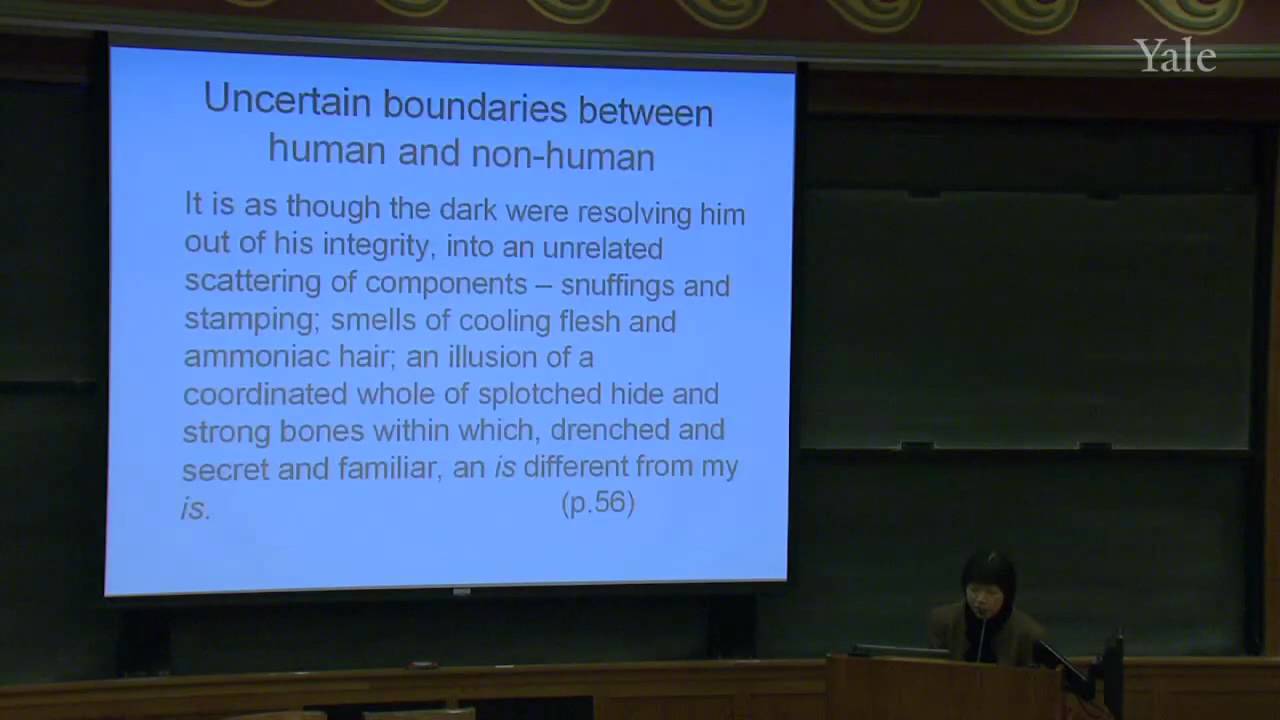
Wai Chee Dimock, professor at Yale, argues that Faulkner borrows epic conventions from Homer and Dante, particularly the blurring of human and non-human boundaries and the resurrection of the dead. She reads the minor character Tull alongside mules and buzzards to unpack what she calls the nature of manhood in poor whites, then turns to Jewel, whose kinship with a snake and a horse points toward the concealed story of his birth. Addie Bundren's monologue supplies the missing piece, identifying Jewel's illegitimate father, the Reverend Whitfield, with the same horse and snake imagery, tying his affair with Addie to an Edenic fall. The lecture moves chapter by chapter from Homer's Cyclops and Circe's magic through Dante's Inferno before returning to Faulkner's text, closing on the epic convention of raising the dead. Part of Yale's open course Hemingway, Fitzgerald, Faulkner, recorded in Fall 2011.