Grizzly Man
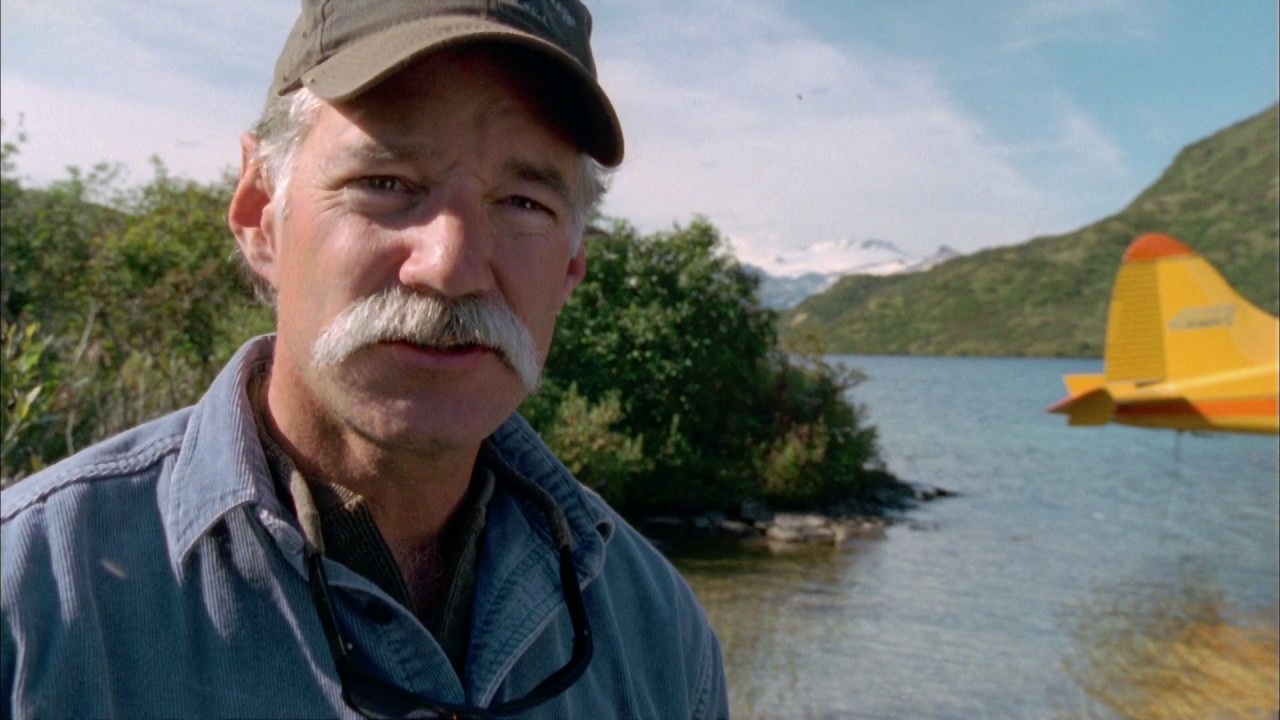
Timothy Treadwell spent thirteen summers camped among grizzly bears in Alaska's Katmai National Park, filming himself talking to them, naming them, and insisting he was protecting them from poachers who, park rangers note, did not exist there. Werner Herzog builds the film almost entirely from Treadwell's own hundred-plus hours of footage: close-ups of bears feeding inches from the camera, foxes wandering into his tent, monologues about loneliness and rage aimed at hikers, park officials, and the wilderness itself. Herzog's narration cuts against Treadwell's romanticism, arguing on camera that the bears' faces show only indifference, not the kinship Treadwell wanted to see. Interviews with his ex-girlfriend, a coroner, pilots, and former park rangers fill in the ending the footage stops short of: in 2003 a bear killed and ate Treadwell and his girlfriend Amie Huguenard. An audio recording of the attack exists; Herzog listens to it once, on headphones, and tells Treadwell's friend never to release it. The film sits somewhere between nature documentary and character study of a man who mistook danger for belonging.