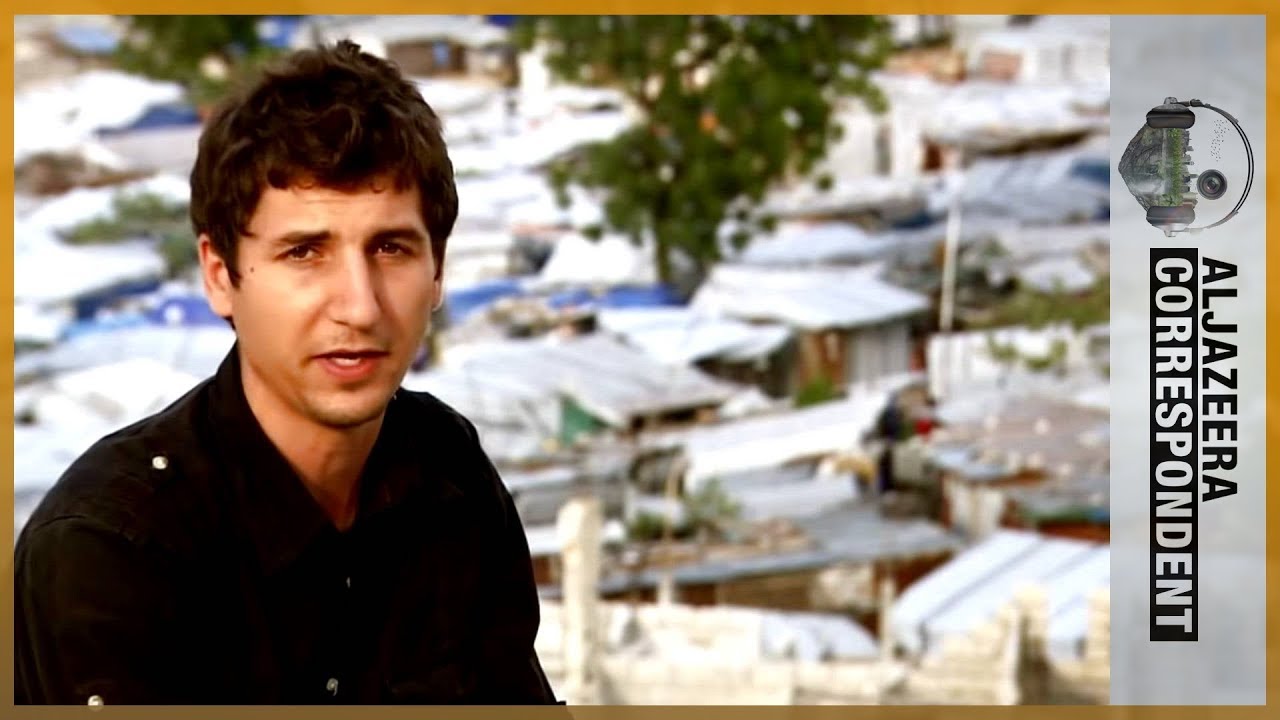
Haiti: After the Quake
Reporter Sebastian Walker arrives in Haiti in January 2010 on what is supposed to be a two-week assignment covering the earthquake's aftermath. He stays for more than a year. The film follows him through Port-au-Prince's rubble and tent camps as the initial rescue effort gives way to a slower, messier story: cholera outbreaks, stalled reconstruction, foreign aid money that never seems to reach the people it was raised for, and a population still living under tarps months after the world's cameras moved on. Walker returns to the same families and neighborhoods repeatedly, tracking what changes and what doesn't, and interviews aid workers, officials, and residents who grow visibly more frustrated as promises stall. The reporting stays close to ground level rather than summarizing from a distance, following specific people through specific setbacks rather than citing aggregate statistics. What emerges is less a disaster story than an account of what happens in the year after the cameras normally leave, when the emergency is over but the crisis isn't.