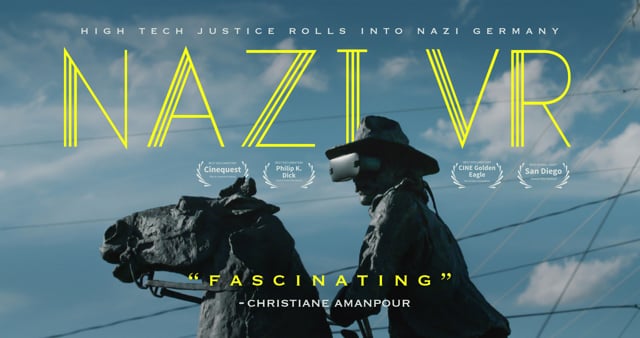
How a Virtual Reality Model of Auschwitz Helped Convict an SS Concentration Camp Guard
In 2016 a German court tried Reinhold Hanning, a former SS guard at Auschwitz, as an accessory to at least 170,000 deaths. Decades after the war, prosecutors faced a problem common to Holocaust cases this late: witnesses are dying, memories have faded, and defense teams routinely argue that guards could not have known what was happening beyond their assigned posts. This film follows the team that built a detailed virtual reality reconstruction of the camp to test exactly that claim, mapping sightlines, distances, and daily routines to show what a guard stationed where Hanning stood could and could not have seen. Interviews with the investigators and legal experts explain how the model was built and how it was used in court, turning architecture and geometry into evidence. The film treats the technology as a tool for establishing fact rather than spectacle, and the Hanning verdict becomes a case study in how digital reconstruction can close gaps that living memory can no longer fill.