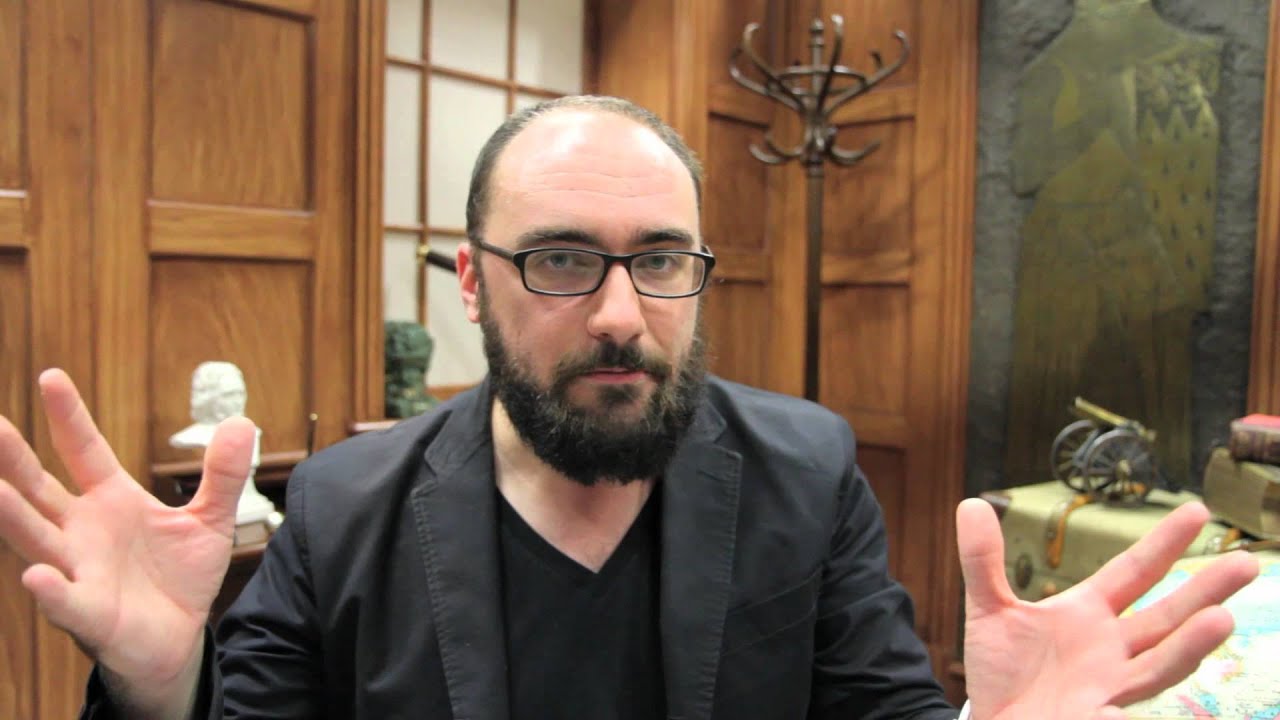
How Hot Can it Get?
Michael Stevens, host of Vsauce, opens with absolute zero and asks what sits at the other end of the scale: is there a hottest possible temperature? He walks through human body temperature, the plasma he generates by microwaving a grape, and the physics of color-as-temperature, showing how the light an object gives off shifts from red to white to blue as it heats up, using Wien's law to calculate the wavelength at any given temperature. The scale keeps climbing past anything achievable on Earth, through the surface of the sun, into the interior of stars, and up to WR 104, a Wolf-Rayet star whose potential gamma-ray burst gets weighed as an actual hazard. Stevens pushes past astrophysics into theoretical limits like the Hagedorn temperature, where adding more energy stops raising the temperature at all, and closes with the strange case of negative absolute temperatures, which turn out to describe systems hotter than any positive number on the scale. The tone stays playful, but every claim traces back to a real physics source.