How The Moon Made Life On Earth Possible
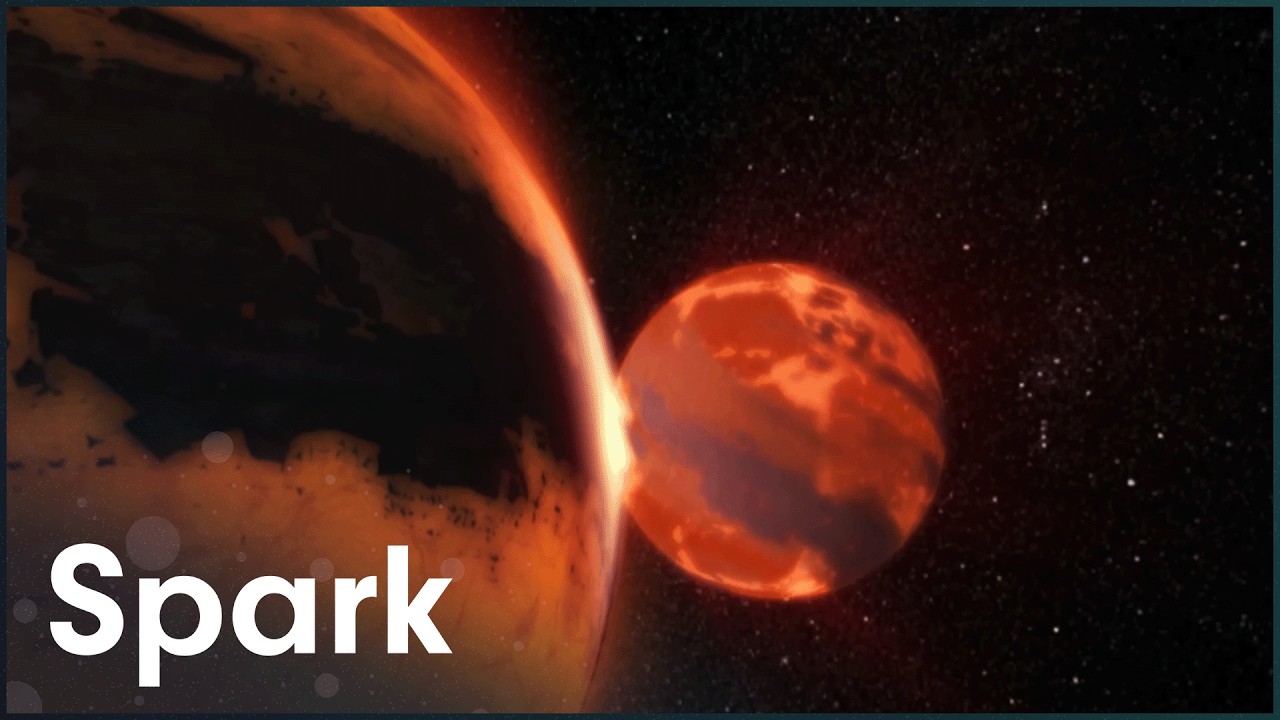
Strip away the Moon and Earth becomes a different planet: six-hour days, hurricane winds, and climate swings too violent for life to take hold. This Naked Science episode goes back 4.5 billion years to the collision that made the Moon possible, when a Mars-sized body scientists call Thea slammed into the young Earth and scattered debris that coalesced into our satellite. Using CGI reconstructions of the impact alongside interviews with planetary scientists, the film traces what that collision actually bought Earth: a stabilized axial tilt that keeps seasons survivable, tidal churn that may have stirred the chemical soup where life began, and a battered, cratered surface that preserves billions of years of the solar system's bombardment history in a way Earth's own geology cannot. The episode moves from the mechanics of the giant-impact hypothesis to the Moon's slow retreat from Earth over geologic time, framing the Moon less as a scenic companion than as a piece of planetary machinery without which Earth's habitability looks far less certain.