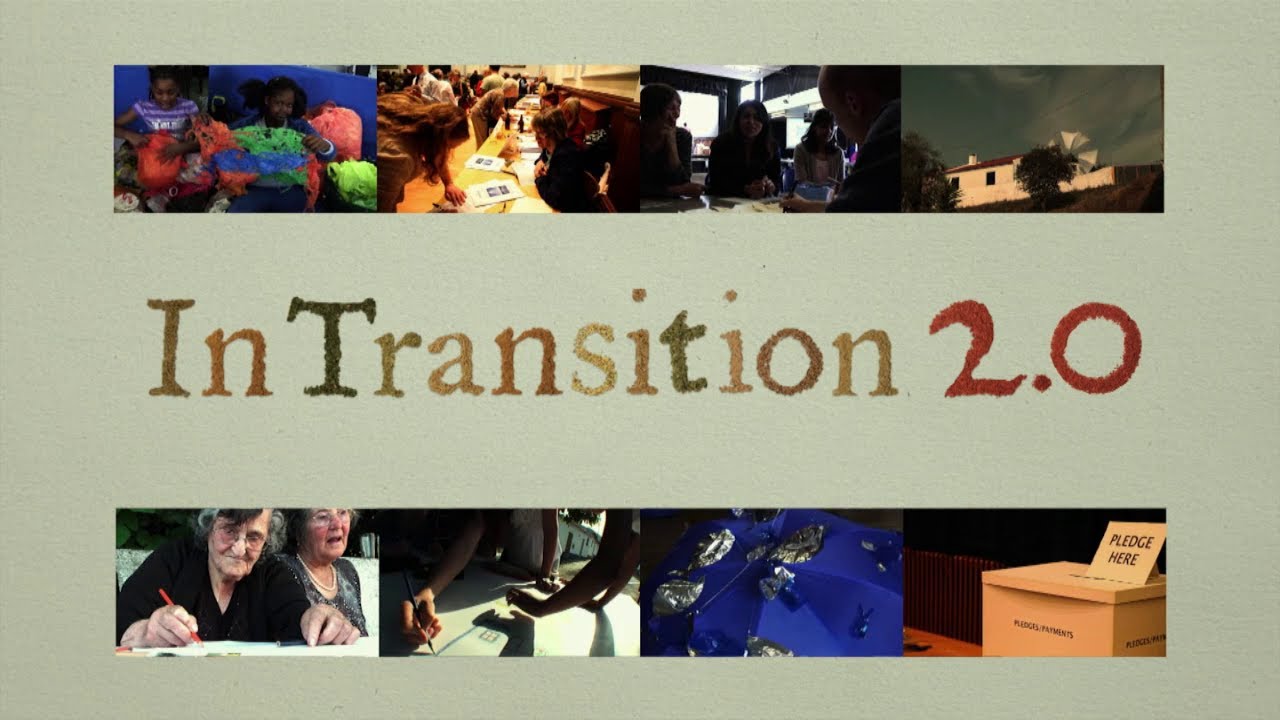
In Transition 2.0
The Transition movement began as a response to peak oil and climate change, and this film travels to towns and cities where residents have taken it into their own hands. Communities print their own local currencies to keep money circulating close to home, plant vegetables on traffic islands and rooftops, and pool funds to build community-owned power stations. The film moves between these projects without a single narrator or expert voice, letting the people running them explain what they built and why, from a Brixton pound in London to urban farms elsewhere in the network. There is no single crisis at the center of the story; instead the film treats uncertainty itself, economic and environmental, as the shared condition these groups are organizing around. The tone stays practical rather than alarmed: less a warning than a catalog of things ordinary people have already tried, city by city, with local currency schemes and small power cooperatives standing in as proof that the ideas work at a small scale before anyone asks whether they can work at a larger one.