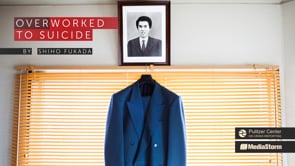
Japan's Disposable Workers: Overworked to Suicide
Naoya Nishigaki was 28 and working as a system engineer when he wrote on his blog that overwork had caused his depression, then took his own life. His story opens this film's look at karoshi, Japan's term for death by overwork, through interviews with grieving families, labor lawyers, and survivors of burnout who describe eighty-hour weeks, unpaid overtime, and a corporate culture that treats exhaustion as loyalty. Company offices, cramped apartments, and shrines to the dead appear alongside testimony from parents fighting for their children's deaths to be officially recognized as work-related, a legal battle that can take years and rarely succeeds. Doctors and activists lay out how Japan's postwar economic model normalized punishing hours, and why young employees feel unable to refuse overtime or take sick leave without risking their jobs. The film stays close to individual cases rather than statistics, letting Nishigaki's blog entries and his family's account carry the argument about what an economy asks of its workers, and what it costs them.