Judging Japan
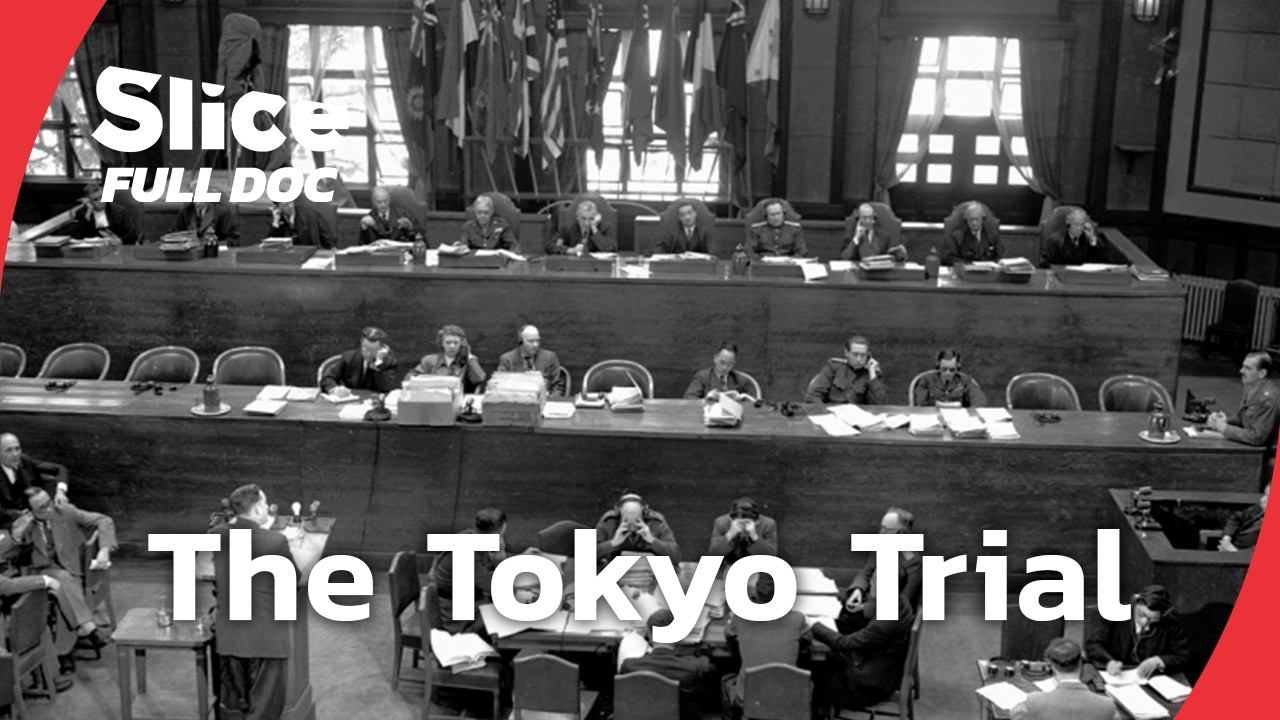
Between 1946 and 1948, eleven judges from the victorious Allied nations sat in Tokyo to decide the fate of Japan's wartime leaders. The International Military Tribunal for the Far East, modeled on Nuremberg, faced a harder task than its European counterpart: the emperor was kept off the docket, the judges disagreed sharply on legal theory, and the definition of "crimes against peace" was being invented as the trial went along. The film draws on archival courtroom footage and the surviving judgments to trace how the tribunal built its case against generals and cabinet ministers, including the treatment of the Nanjing atrocities and the Pacific war's chain of command. It follows the dissents, most notably Justice Radhabinod Pal's argument that the entire proceeding was victor's justice rather than law, a challenge that still shadows how the trial is remembered. The result is less a simple verdict on Japan than a record of the Allies improvising international law in real time, with consequences for how war crimes are prosecuted today.