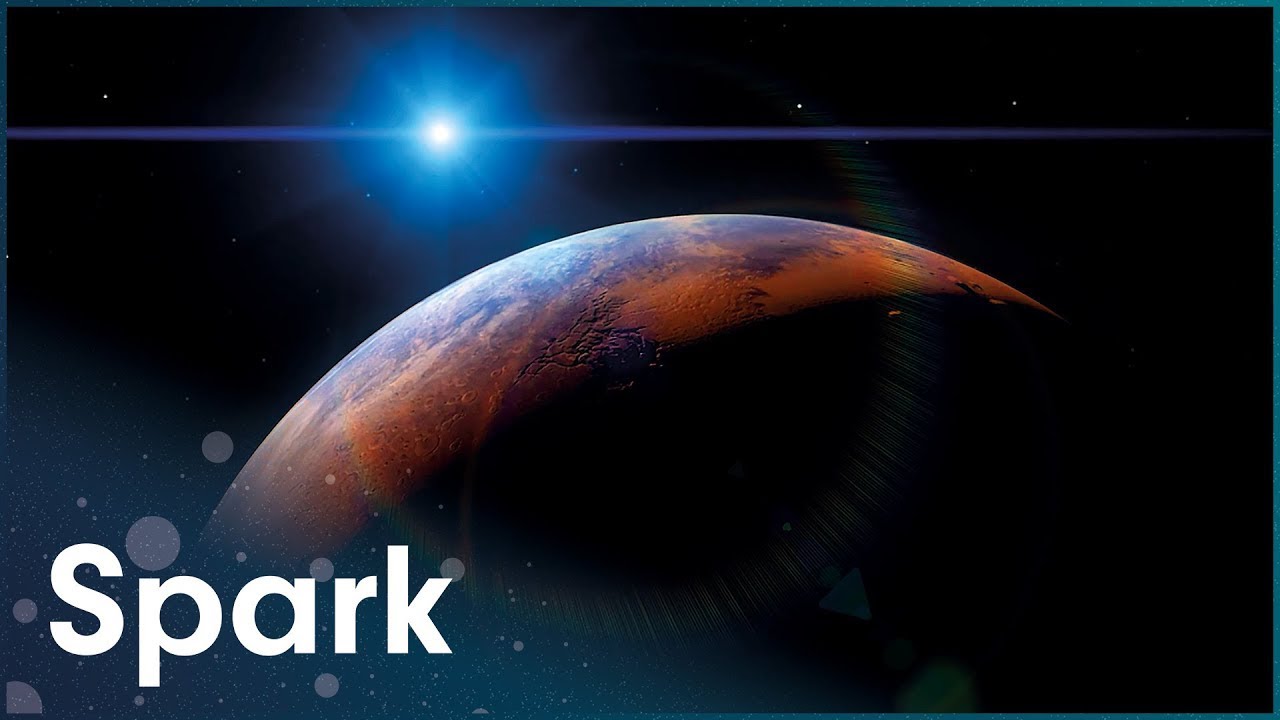
Life On Mars: How The Red Planet Became A Desert World
Mars was not always the arid, radiation-scoured world seen in modern rover footage. This film traces the planet's transformation from a wetter, warmer past, when rivers and lakes may have carved the channels still visible in orbital imagery, into the dust-choked desert probes now explore. NASA mission footage and satellite data anchor the account, tracking how Mars lost its magnetic field and most of its atmosphere to solar wind stripping, leaving a thin CO2 shell unable to hold heat or water at the surface. The film walks through the evidence rovers like Curiosity have gathered from mineral deposits and dried riverbeds, and weighs what that history means for the current push toward human missions. It treats Mars less as a fixed red dot and more as a planet with its own geological biography, one that ended in the kind of desolation Earth has so far avoided. The stakes are practical as well as historical: understanding why Mars died helps engineers plan for the humans hoping to live there.