Music Visualization and Optical Music Recognition
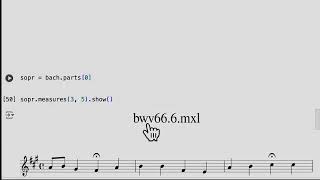
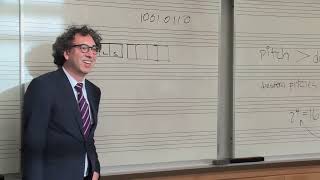
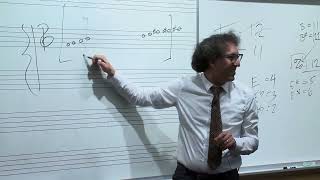
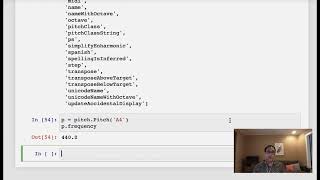
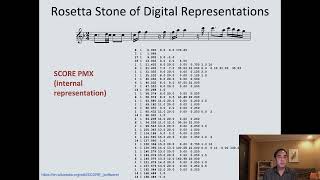
Michael Scott Asato Cuthbert teaches this session of MIT's 21M.383 Computational Music Theory and Analysis, covering how computers read and represent musical scores. The lecture examines gap fill analysis in species counterpoint and other musical corpora, then turns to optical music recognition, the process of converting scanned images of printed scores into encoded symbolic data. Cuthbert walks through where OMR systems typically go wrong, showing how music theory knowledge can be used to detect and correct these recognition errors rather than relying on image processing alone. The class works through concrete examples of score encoding problems and discusses strategies for optimizing recognition pipelines so that computational analysis tools can work reliably on real-world scanned music. It is a hands-on, technical session aimed at students building or using software for music analysis, blending music theory with practical computer science concerns about data accuracy.