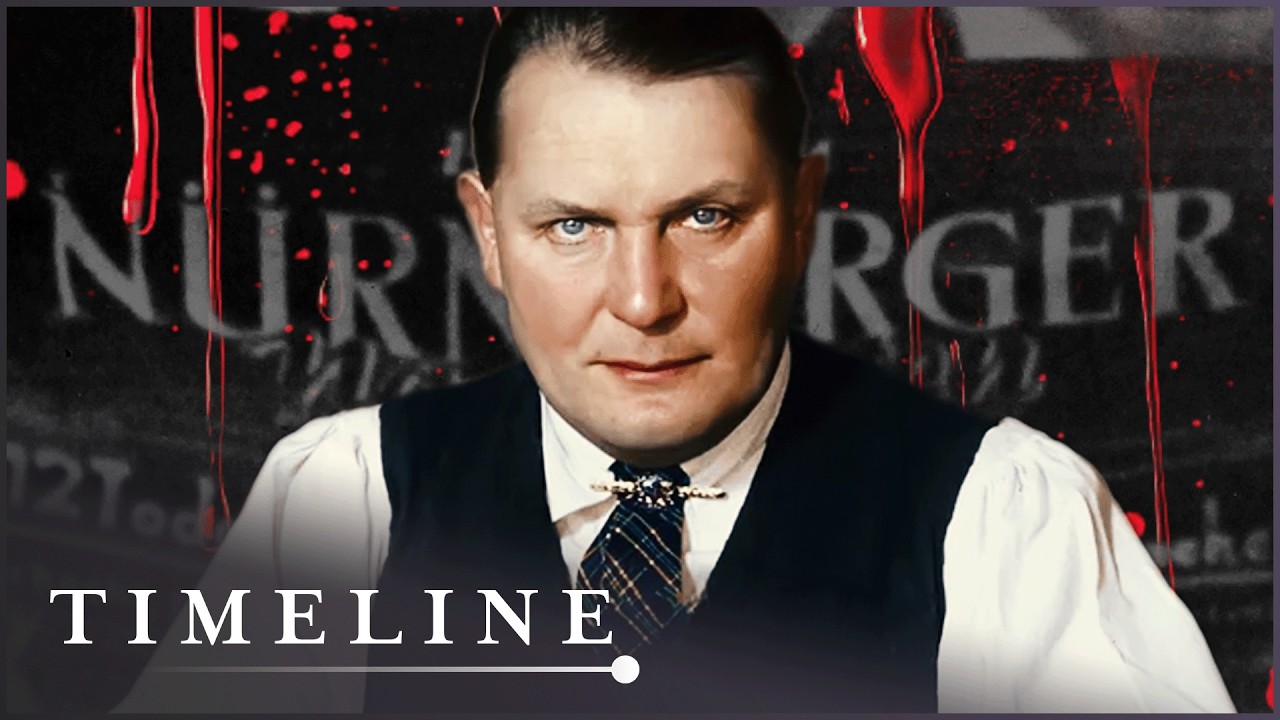
Nuremberg: Inside The Twisted Mind Of Hermann Göring
Hermann Göring's rise traces the collapse of Germany's old landed aristocracy and its scramble for relevance in an industrial, commercial twentieth century. The film follows how that military-aristocratic elite, Göring's family among them, saw incomes and status erode as the Imperial order gave way, and how many of its sons found in Nazism a path back to power and prestige. Historians walk through Göring's military career as a decorated World War I fighter pilot, his role building the Luftwaffe and the Gestapo, and his eventual fall from grace as the Third Reich collapsed, ending with his trial at Nuremberg and the psychological portrait drawn there of a man who helped engineer atrocity while clinging to aristocratic self-image. Archival photographs, wartime footage, and expert interviews are used to connect personal ambition to institutional catastrophe. The film's real interest is less in Göring's crimes alone than in what his class's desperation for restored status reveals about how the Nazi movement recruited its highest-ranking believers.