Plutocracy IV: Gangsters for Capitalism
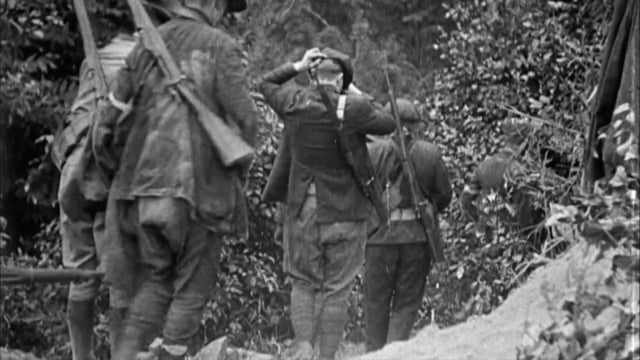
On September 16th, 1920, a horse-drawn wagon packed with explosives detonates outside the J.P. Morgan Bank at 23 Wall Street, killing dozens of passersby in the middle of the financial district. Scott Noble's fourth installment in the Plutocracy series uses that bombing as a hinge point to examine how American capital protected itself at home and abroad in the early twentieth century, from strikebreaking and private armies to the deployment of the U.S. Marine Corps in Haiti, Nicaragua, and China. General Smedley Butler anchors much of the story, moving from decorated combat commander to the author of "War Is a Racket," his own account of serving, in his words, as a "gangster for capitalism" on behalf of banking and corporate interests. Archival photographs, period newsreel, and narration trace the connections between Wall Street financiers, occupied territories, and the labor conflicts back home, building the case that foreign intervention and domestic strikebreaking shared the same underlying purpose. The film continues the earlier Plutocracy episodes' argument that class power in America has always relied on organized force, not just markets.