Prodigies, Geniuses, and Late Bloomers
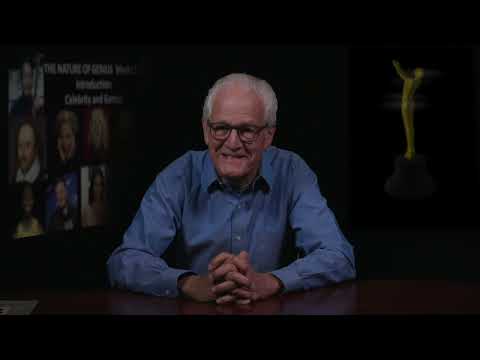
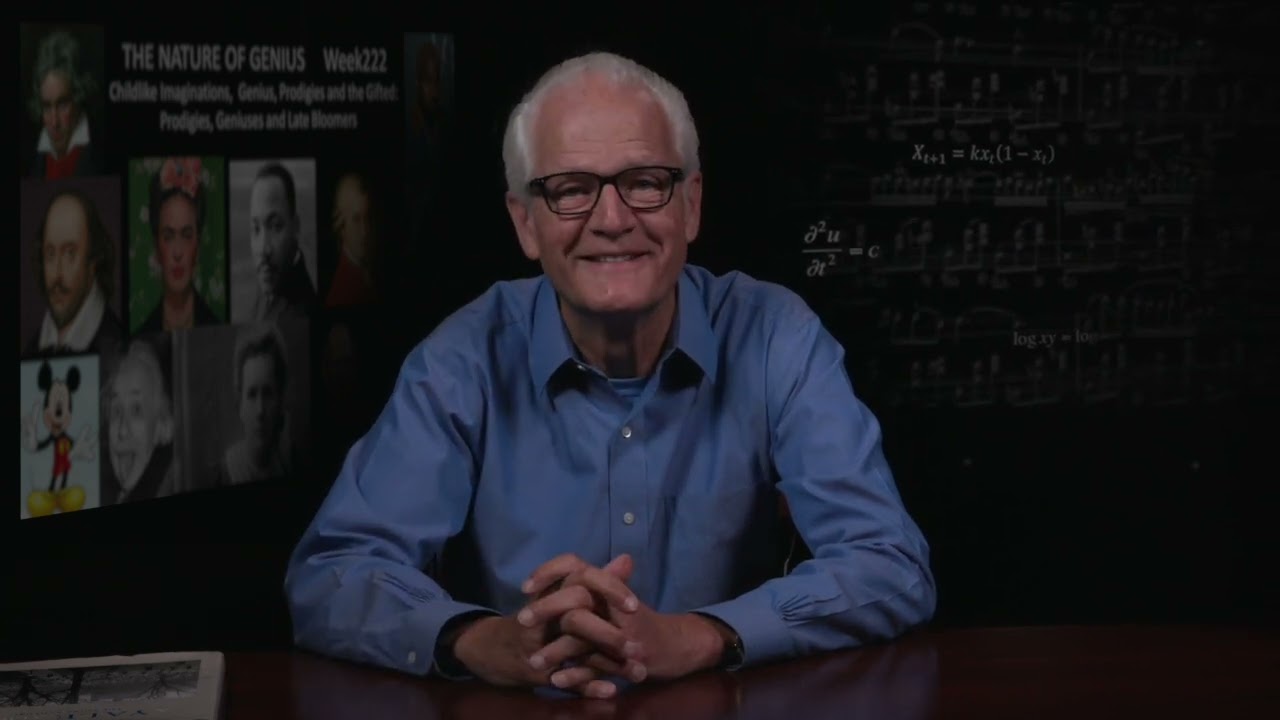
Yale musicologist Craig Wright uses this session of his course The Nature of Genius to ask why some minds flash early and others take decades to arrive. He walks through child prodigies like Mozart, composing minuets before age six, and contrasts them with late bloomers such as Darwin, who spent years as an undistinguished student before reshaping biology. Wright weighs the evidence on what separates a prodigy from a genius, arguing that early virtuosity and lasting originality are not the same achievement and often belong to different people. He draws on psychology and biography to test popular explanations, including raw talent, obsessive practice, and family pressure, and asks what happens to child prodigies who never make the leap to adult creative breakthroughs. The talk stays anecdotal and conversational rather than data heavy, built around named case studies rather than statistics, and closes by questioning whether genius can be predicted at all or only recognized after the fact.