Robots to the Rescue: High-Tech Helpers
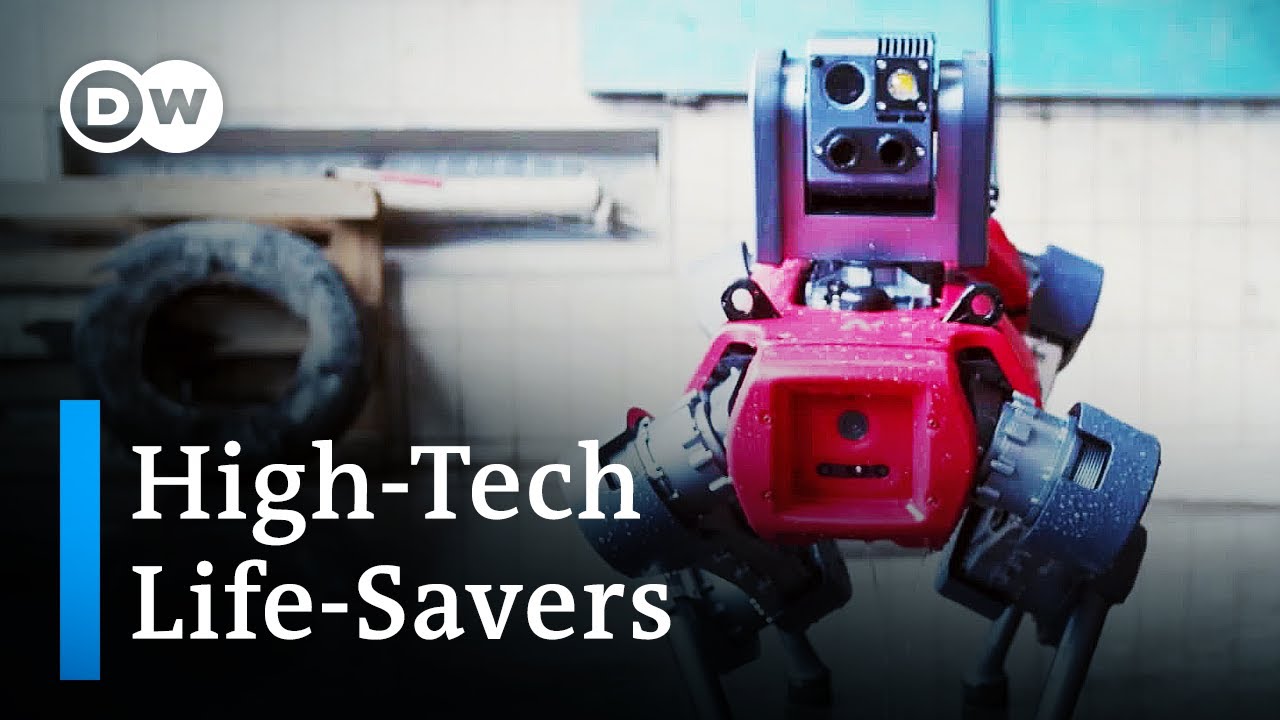
Drones and robots take on jobs too dangerous or too remote for people. Tom Plümmer's Wingcopter, a drone with a two-meter wingspan and half-helicopter, half-airplane design, already delivers parcels in Germany and now ferries vaccines and medication to villages in Malawi that emergency calls and GPS guidance make reachable in minutes instead of hours by car. Swiss engineer Péter Fankhauser shows off ANYmal, a four-legged robot he built in 2018 that climbs stairs, reads thermal-imaging data, and navigates smoke with laser sensors, a skill set that lets it patrol chemical plants and oil refineries so workers stay out of blast zones. Researcher Stefan Sosnowski and his team test SeaClear, a boat carrying AI-guided underwater robots designed to clear seabed waste, starting with a trial run in Hamburg's murky docks before tackling clearer, harder sites elsewhere. Interviews with each inventor anchor the footage, tracking machines built for the moments when sending a human in is too slow or too risky.