Session 1: Concepts and Theories of Facilitative Leadership in the Public Sector
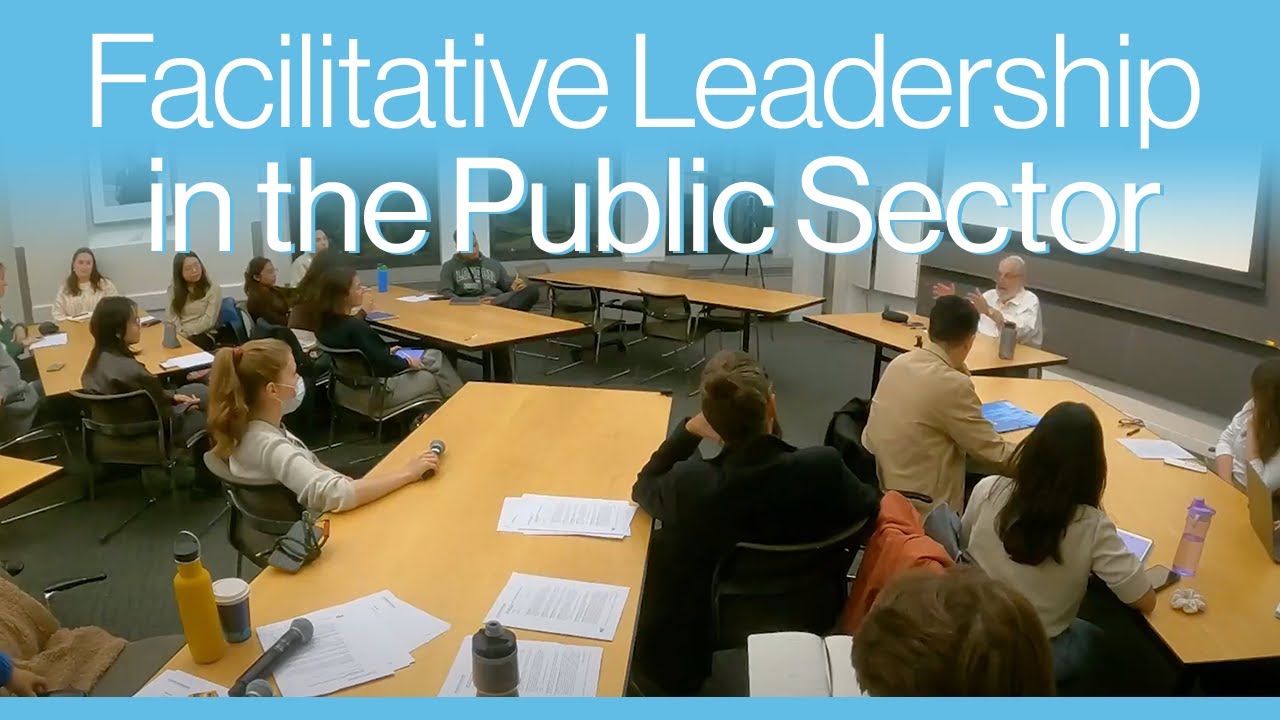
Lawrence Susskind opens his MIT course RES.11-004, Facilitative Leadership in the Public Sector, by laying out what facilitative leadership means and why it differs from command-and-control management in government settings. He introduces the core theories behind consensus building and mediated negotiation among public officials, stakeholders, and competing interest groups. Susskind frames the semester's workshops around real disputes public leaders face, where authority alone cannot resolve conflict and skilled facilitation is needed to bring parties to workable agreements. The session sets up vocabulary and frameworks, such as the difference between positional bargaining and interest-based problem solving, that recur through the rest of the course. It runs as a direct classroom lecture, Susskind speaking to students with occasional reference to case examples from planning and policy disputes, establishing the conceptual foundation before later sessions turn to applied exercises and role-play simulations.