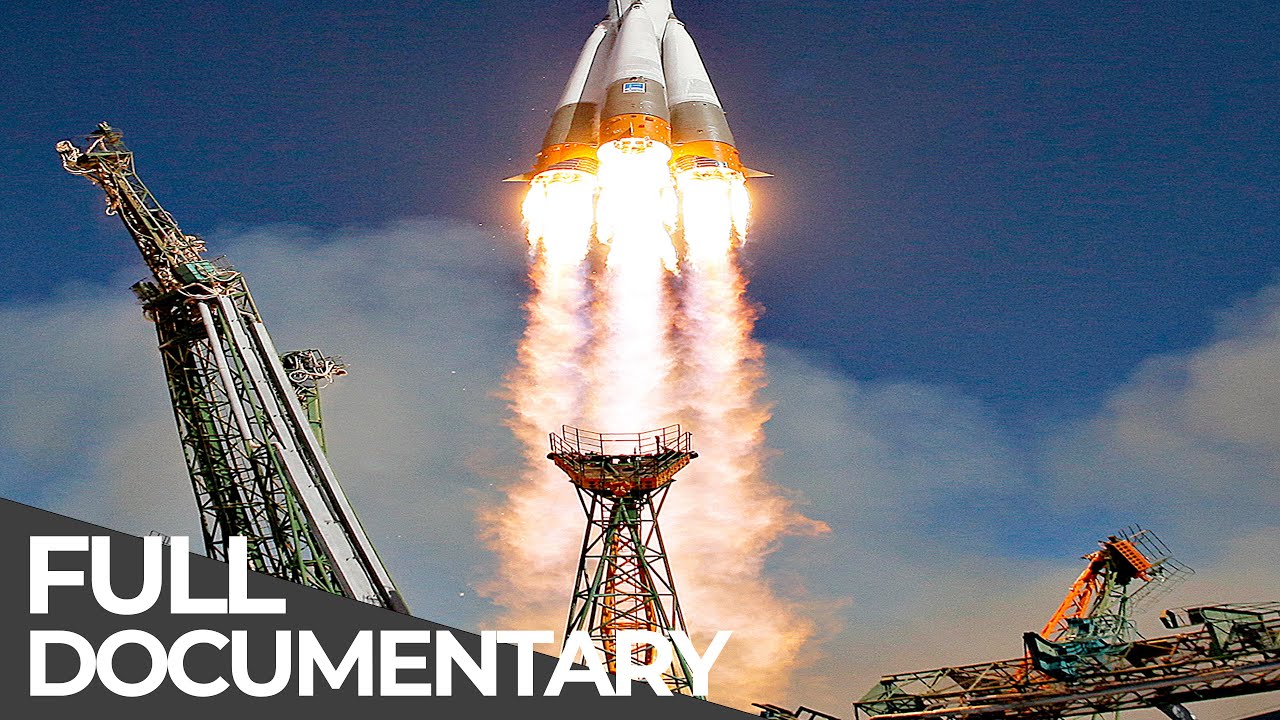
Space Knowledge: The Launchers, Space Telescopes & Space Communication
Three linked segments trace the hardware that makes space science possible. The first covers the launchers, the heavy boosters that get probes off Earth and out to distant planets, walking through the engineering that turns raw thrust into a reliable ride past the atmosphere. The second turns to the Hubble Space Telescope and its successor, the James Webb Space Telescope, an infrared instrument built to catch light from the most distant stellar activity, showing how orbiting above atmospheric distortion changed what astronomers could see. The third looks at space communication, following the profit-driven satellite telecom industry alongside newer techniques for speeding up data transmission from probes millions of miles away. Narration and footage move between launch pads, telescope hardware, and satellite dishes, treating each technology as a separate problem with its own solution rather than a single triumphant story. Together the three parts form a systems view of spaceflight: getting there, seeing what's there, and getting the information back.