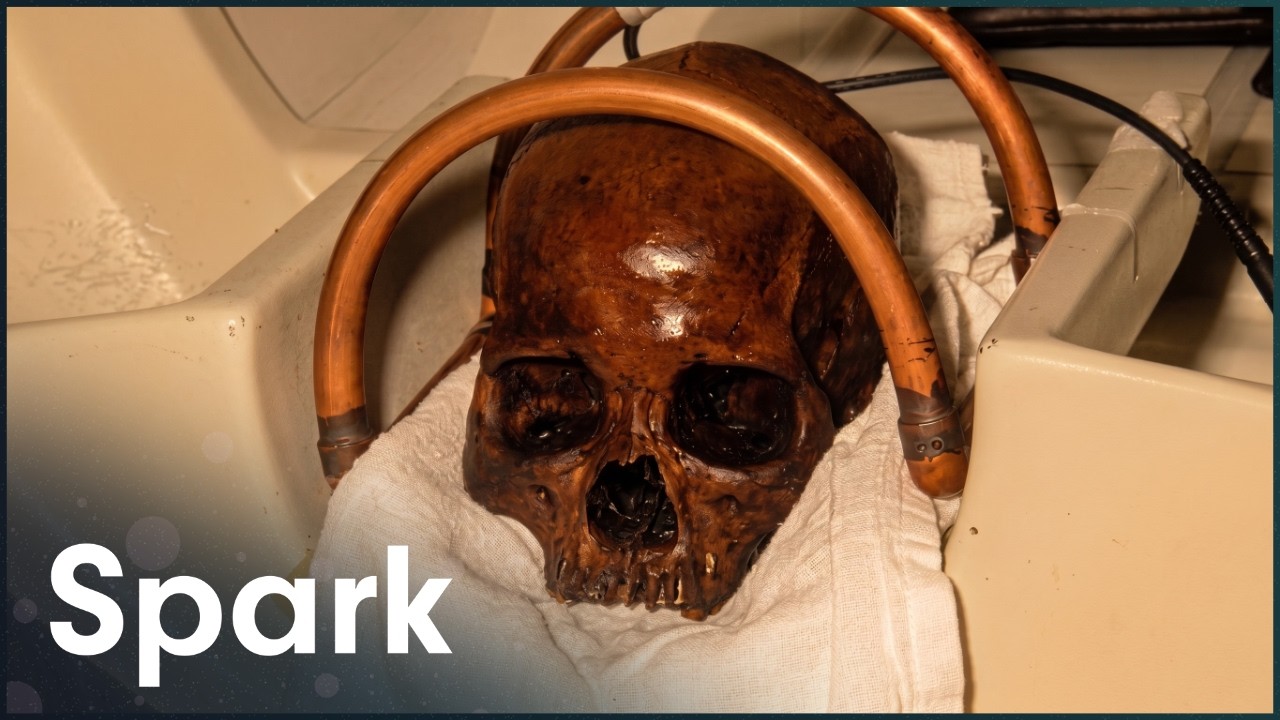
The Best Preserved Ancient Skull We've Ever Found
Windover Bog in Florida yields one of the strangest finds in North American archaeology: an 8,000-year-old skull with an intact human brain still inside it. The peat that entombed the skeleton was oxygen-free, and that chemistry kept soft tissue and cellular structures from decaying, along with what was at the time the oldest recoverable Native American DNA. The film follows the archaeologists and forensic scientists who excavated the Windover site and then turned to modern imaging and genetic analysis to work out who this hunter-gatherer was, how the brain survived millennia of burial, and what it can reveal about the cognition of people living in prehistoric Florida. Interviews with researchers walk through the excavation conditions, the lab techniques used on the tissue, and the broader Windover skeletal collection that makes the site so significant. The case built here is that this individual's brain functioned much like a modern one, and the film lays out the physical evidence, cell structure, preserved neurons, DNA fragments, behind that claim.