The Bizarre Physics That Make Hurricanes So Hard To Predict
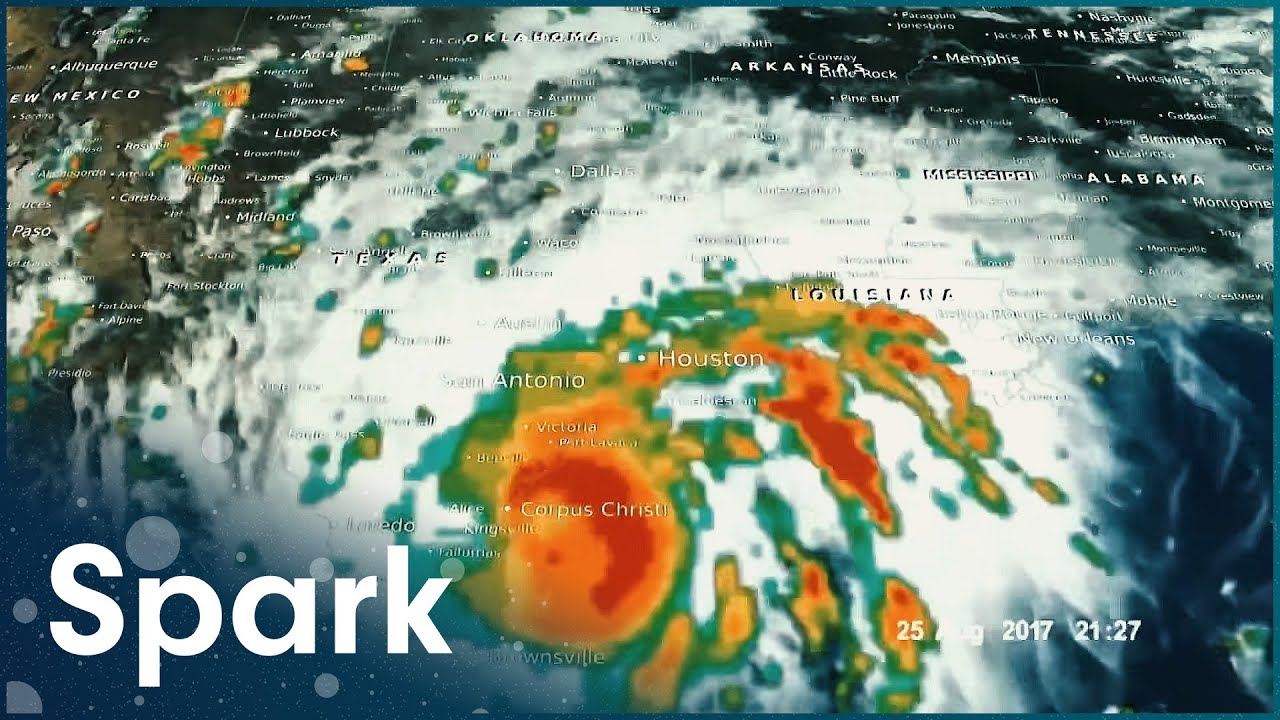
A hurricane's life gets tracked from its first stirrings over the Sahara Desert, where dust and heat kick off the atmospheric instability that can seed a storm, through to its landfall in Cabo San Lucas. The film follows the Hurricane Hunters, the crews who fly aircraft directly into a storm's eye to gather pressure, wind, and temperature readings that satellites cannot capture from orbit. Meteorologists and engineers explain why these systems remain so hard to forecast: small variations in ocean temperature, wind shear, and internal storm structure can send a hurricane's path or intensity off in directions models fail to catch. The high-tech sensors used to feed forecasting computers get examined alongside the physics of how a cyclone organizes itself into rotating bands and an eye. Archival storm footage and radar imagery sit alongside interviews with the scientists and pilots doing the actual data-gathering, giving a grounded look at both the danger and the guesswork still built into modern hurricane prediction.