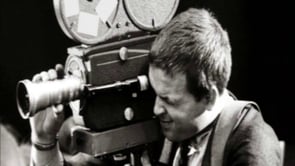
The Camera that Changed the World
Cameras in the 1950s are heavy, tethered to generators, and built for staged shots, which makes it nearly impossible to film real life as it happens. The film traces how a handful of filmmakers in France and the United States try to fix that. Jean Rouch's 1958 "Moi, un noir" points the way with a small handheld camera, though it runs for only a few minutes at a time and is too loud to record synced sound. Robert Drew, an editor at Life Magazine, sets out to solve both problems, and Life puts up a million dollars for the effort. The result is a four-pound camera that can run longer, move freely, and capture usable sound at the same time. Drew tests it on "Primary," a film shot over four days inside John F. Kennedy's Wisconsin primary campaign, catching hallway conversations and unscripted moments no earlier crew could have filmed. Interviews with the people who built and used the camera fill in how a single engineering fix reshaped what documentary film could show.