The Complete Story of the Solar System's Moons
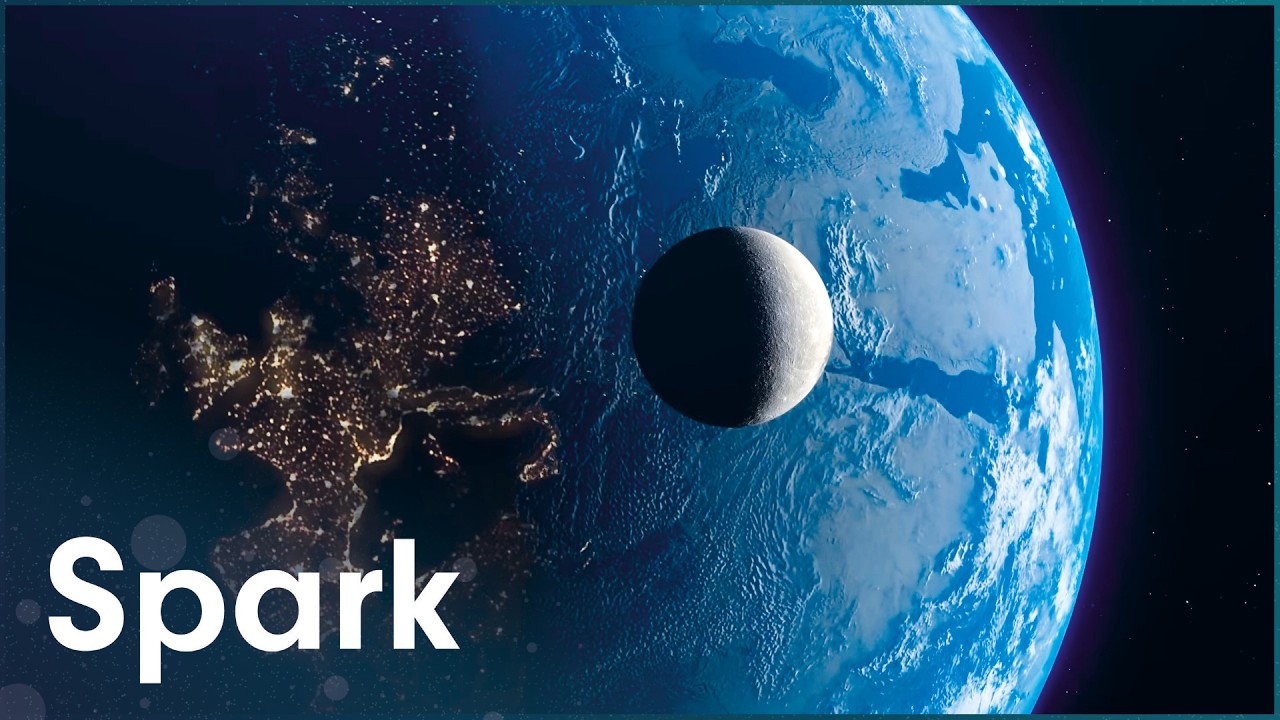
Earth's Moon gets its own origin story here: a Mars-sized body slamming into the young Earth, flinging molten debris that cooled into the satellite we see tonight. The film uses that collision as a jumping-off point to survey the solar system's other moons, treating them not as inert rocks but as active worlds in their own right. Io's surface turns out to be covered in erupting sulfur volcanoes driven by the tidal squeeze of Jupiter's gravity, while Europa's cracked ice shell hides a liquid ocean that may hold more water than Earth's, kept warm by the same tidal flexing. Titan gets attention for its thick atmosphere and methane lakes, and smaller, stranger moons fill out the picture of just how varied these bodies are. Animation and simulated flybys stand in for footage no camera has actually captured, paired with narration that moves briskly through planetary science without dumbing it down. The throughline is simple: moons are shaped as much by violence and gravity as the planets they orbit.