The Dark Side of the Universe
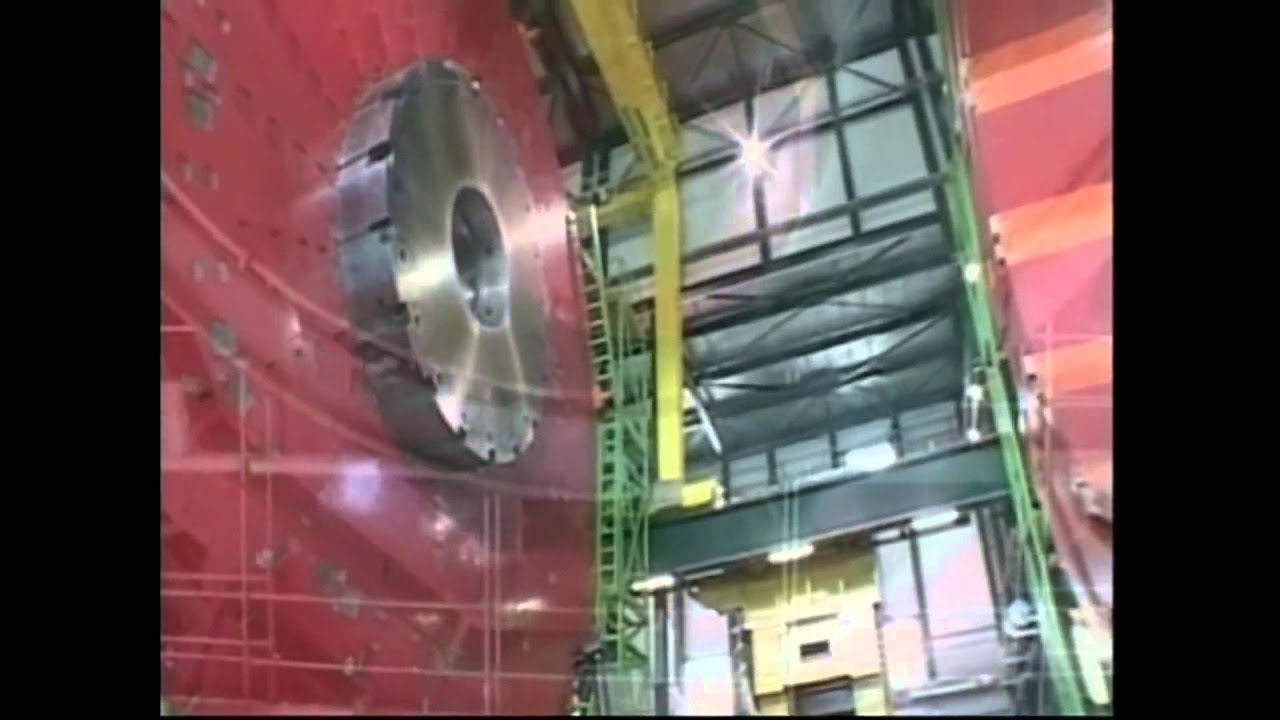
Alan Alda hosts a tour of what astronomers were finding in the early 2000s about the 96 percent of the universe that isn't made of stars, planets, or people. Telescopes in Chile's Atacama Desert anchor the film's case that ordinary matter, the stuff of rocks and suns, is a minor ingredient in a cosmos dominated by dark matter and an even stranger dark energy, a force with no known source that appears to be pushing galaxies apart at an accelerating rate. The film traces the observations of distant supernovae that led Saul Perlmutter, Adam Riess, and Brian Schmidt to that acceleration discovery, work that later won them the 2011 Nobel Prize in Physics. It also visits the Large Hadron Collider, then newly built and already the largest particle accelerator on Earth, as physicists hunt for the particles that might explain dark matter directly. Alda's plain-spoken narration keeps the physics grounded, ending on the sober long-term forecast: an expansion that never stops, eventually carrying every other galaxy out of view.