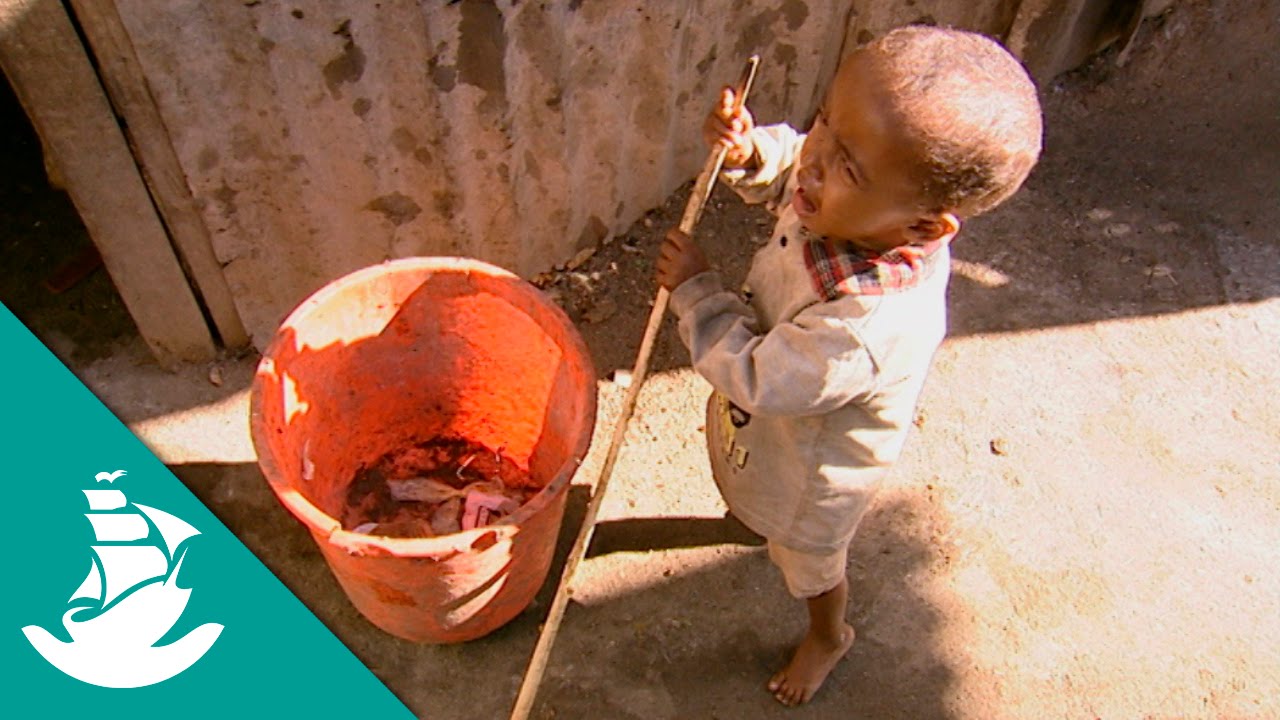
The Food of the Future
By 2050 the planet may hold ten billion people, and feeding them would mean roughly tripling current food production, even as 30 people die of hunger every minute today. The film traces how humanity has met this kind of pressure before, revisiting biologist Norman Borlaug's development of semi-dwarf, disease-resistant wheat strains that triggered the Green Revolution and kept millions from starving in the mid-20th century. It then turns to the industrialized animal husbandry that followed, showing how crowded, high-output livestock operations breed disease and degrade the food they produce. Researchers and food scientists lay out less familiar answers: insects, crocodile meat, and ocean-based proteins as substitutes for beef and chicken, however unappealing they sound at first. Aquaculture gets sustained attention as the most promising frontier, alongside honest acknowledgment of what is unsolved, including environmental damage from fish farming and how little is understood about raising many aquatic species at scale. The film closes without pretending the problem is solved, leaving the tripling of food production as an open engineering and ethical question.