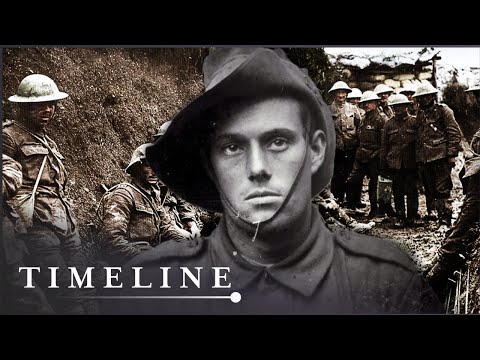
The Human Cost Of Artillery Warfare In World War One
Neil Oliver gets access to the Australian War Memorial's stored collection of Great War weapons and artillery, much of it kept away from the museum's public galleries. The Memorial holds one of the largest troves of First World War ordnance anywhere, and Oliver moves through howitzers, shells, and field guns while curators explain how each weapon was built and deployed. The film traces how artillery evolved through the war, from early shrapnel shells to the creeping barrages and heavy guns that came to dominate the Western Front, and ties that technical history to the men who served the guns and the men who faced them. Archival photographs and period footage sit alongside the physical objects, with curators describing what survives in the Memorial's archive about casualty rates and the psychological toll of sustained bombardment. The focus stays on artillery as the war's deadliest weapon, responsible for the majority of casualties, and on what the surviving hardware reveals about the scale of industrial warfare soldiers endured.