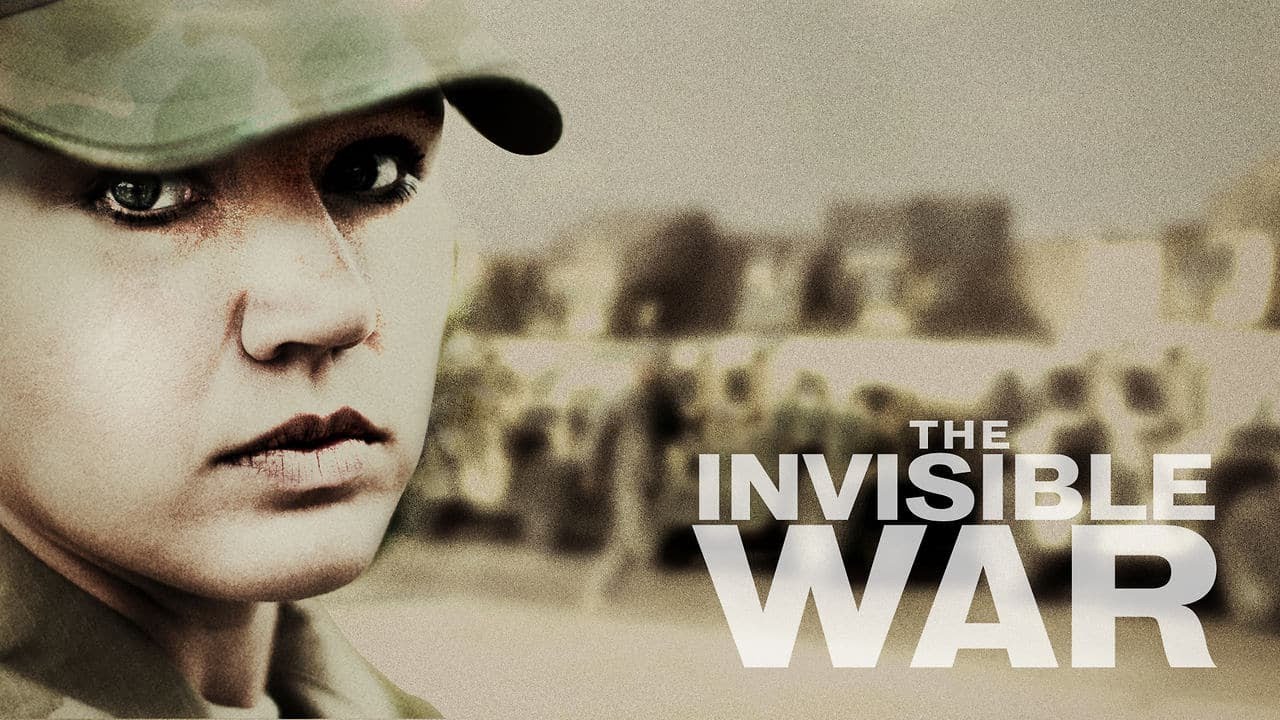
The Invisible War
Kori Cioca describes the night she says she was raped by a superior officer in the Coast Guard, then spends years fighting a Veterans Affairs bureaucracy that questions her claim. Director Kirby Dick builds the film around interviews with dozens of survivors, men and women, from the Marines, Army, Navy, and Air Force, laying out how the military's own statistics count tens of thousands of assaults a year while conviction rates stay near zero. The structural problem the film keeps returning to is command: victims must report an assault to the same chain of command that may include their attacker, or his friends, or his commanding officer weighing unit cohesion against a career. Pentagon officials sit for on-camera interviews and defend the system while survivors describe being discharged, discredited, or reassigned to work alongside the men who assaulted them. The film won the Sundance Audience Award and was later credited with helping push changes to how the Defense Department handles reporting. It ends with Cioca still waiting for her disability claim to be resolved.