The Republic of Hunger
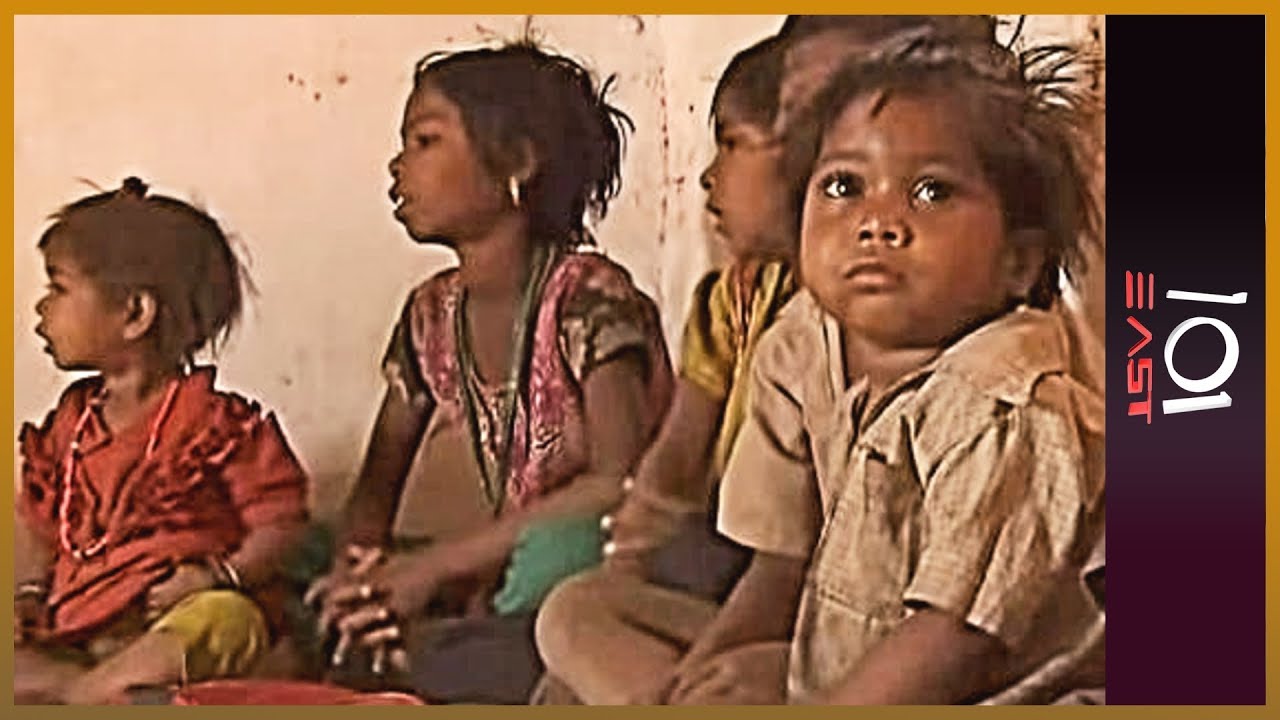
India is home to roughly a third of the world's malnourished children, and this film asks why, decades after independence, hunger remains a routine fact of life for millions of its citizens. Drawing on the writing of economist Utsa Patnaik, the film lays out how declining per-capita food consumption, shrinking rural employment, and the diversion of grain stocks have combined to keep large parts of the population underfed even as the country posts strong GDP growth. Interviews with economists, activists, and public health researchers walk through government food schemes, the public distribution system, and the gap between announced policy and what actually reaches villages and slums. Footage from rural India shows ration shops, malnourished children being weighed at clinics, and families explaining what they can and cannot afford to eat. The film treats hunger not as a natural disaster but as a policy outcome, tracing it back to budget decisions, storage failures, and export choices made in Delhi. It ends with the same question it opens on: what would it actually take to feed everyone.