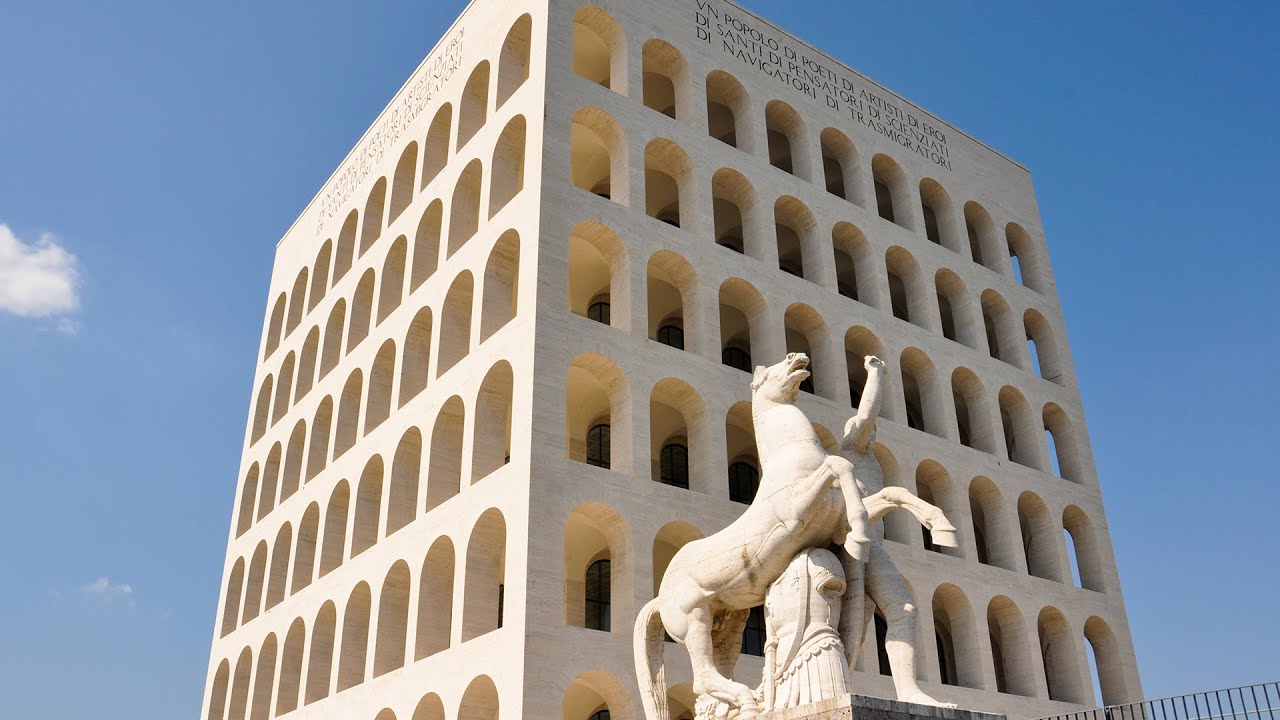
The Story of Fascism in Europe
Rick Steves leaves the usual travelogue behind to trace how fascism took hold in Europe between the world wars. He walks the sites where it happened: Mussolini's balcony in Rome, the Nuremberg rally grounds, the beer halls of Munich, asking how charismatic leaders convinced frustrated, economically battered countries to trade democracy for the promise of restored greatness. Historians walk him through the mechanics of the rise, the propaganda, the scapegoating, the appeal of a mythologized past, and Steves connects the record directly to Mussolini and Hitler's climb from fringe agitators to heads of state. The film treats fascism as a process with recognizable steps rather than a single villain's plot, and Steves is explicit that he made it because he sees warning signs worth naming. It stays grounded in documented history and eyewitness testimony rather than metaphor, using the actual squares, buildings, and monuments where these movements organized and grew.