The World at War
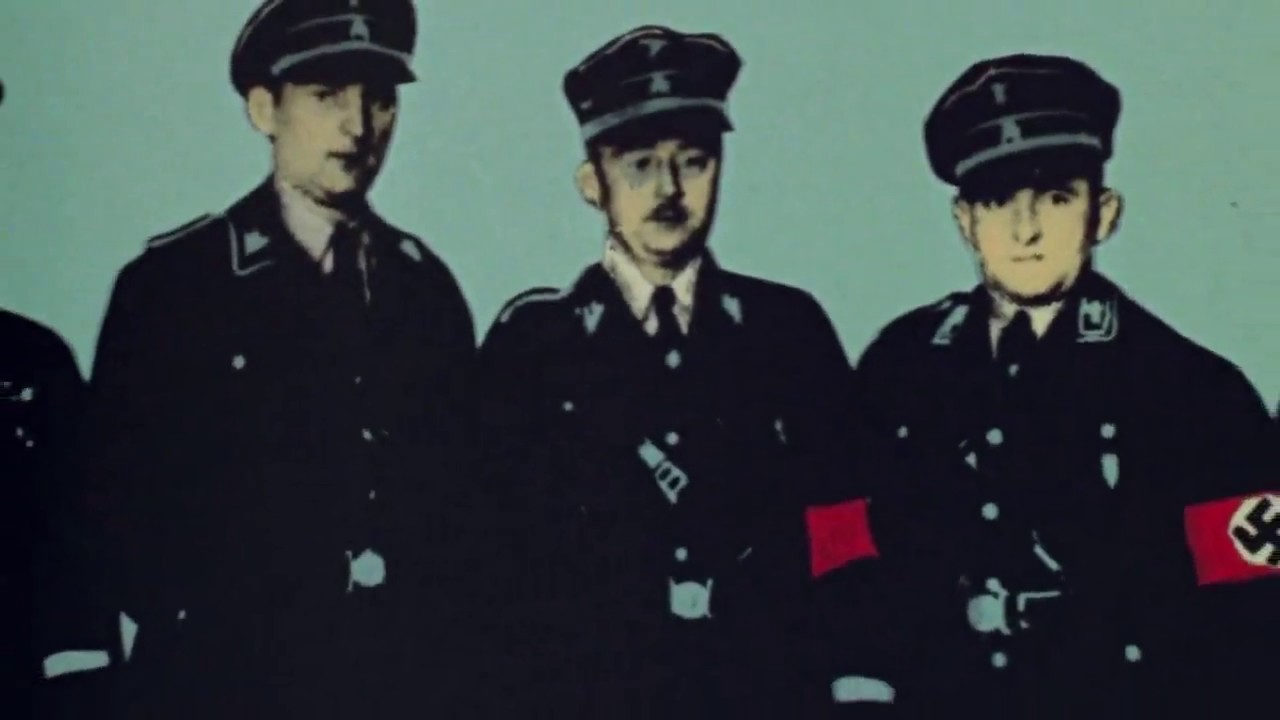
Thames Television's account of the Second World War runs twenty-six episodes, narrated by Laurence Olivier in a voice pitched low and deliberate, as if reading a verdict. The series interviews the people who lived it at every level, from Albert Speer and Karl Donitz to infantrymen, resistance fighters, and civilians who survived the Leningrad siege or the bombing of Hamburg, and it does not soften what they describe. Episodes move chronologically from the rise of Hitler and the failures of appeasement through Barbarossa, the Holocaust, the Pacific campaigns, and the war's final collapse into occupied Germany and a divided Europe. Archival footage, much of it uncommon even now, is cut without music cues that tell you how to feel, letting testimony carry the weight instead. The Holocaust episode, built almost entirely from survivor and perpetrator interviews, is treated as its own subject rather than a chapter of military history. Decades on, historians still point to this as the series against which later war documentaries get measured.