Ulaanbaatar: City of Nomads
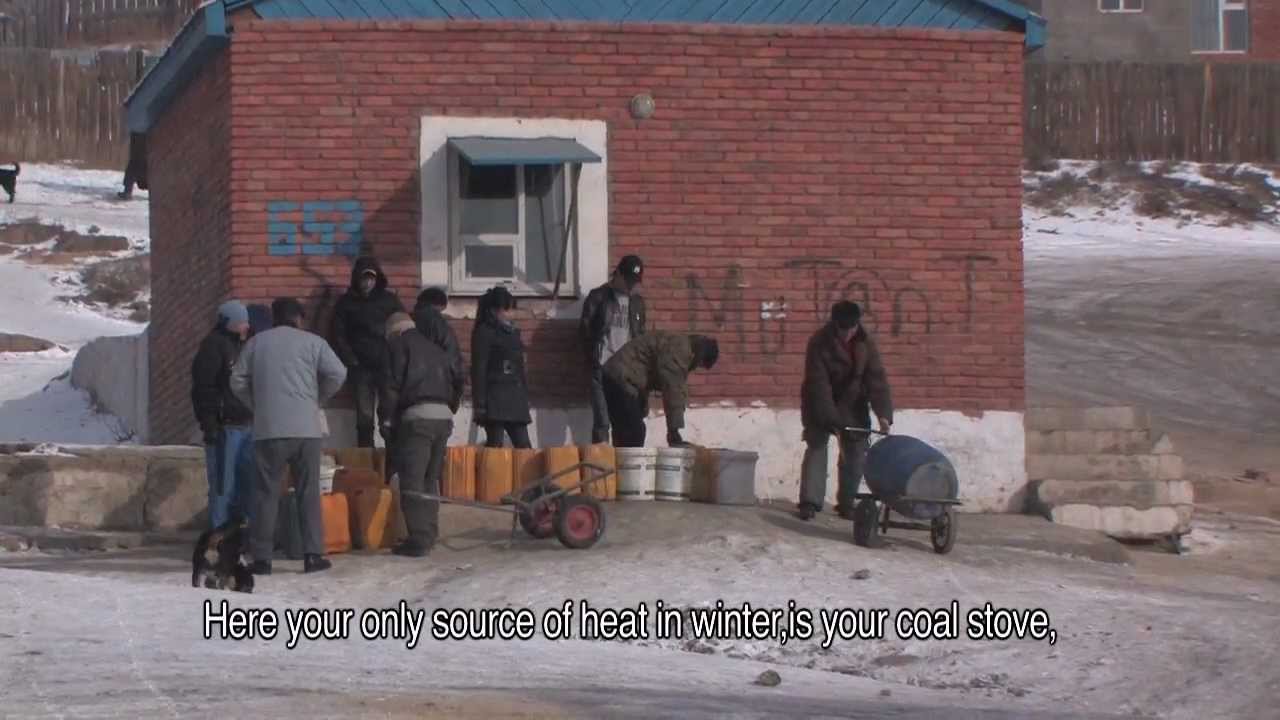
Ulaanbaatar, Mongolia's capital, began in 1639 as a movable Buddhist monastic center, relocating twenty-eight times before settling permanently in 1778 at the junction of the Tuul and Selbe rivers. The film traces that nomadic origin into the present, where herding families pushed off the steppe by harsh winters and economic pressure now cluster on the city's edges in ger districts, informal settlements built around the traditional round tents rather than permanent housing. Without paved streets, running water, or waste systems, these neighborhoods strain a capital that grew into Mongolia's main manufacturing center over the twentieth century. The film follows World Bank engineers and local officials as they test practical fixes for sanitation, heating, and infrastructure gaps, treating the ger districts not as a footnote but as the story's center. It frames Ulaanbaatar's problem as a collision between a centuries-old nomadic way of life and the fixed demands of a modern city, and looks at what it takes to give both a future.