Waterwalker
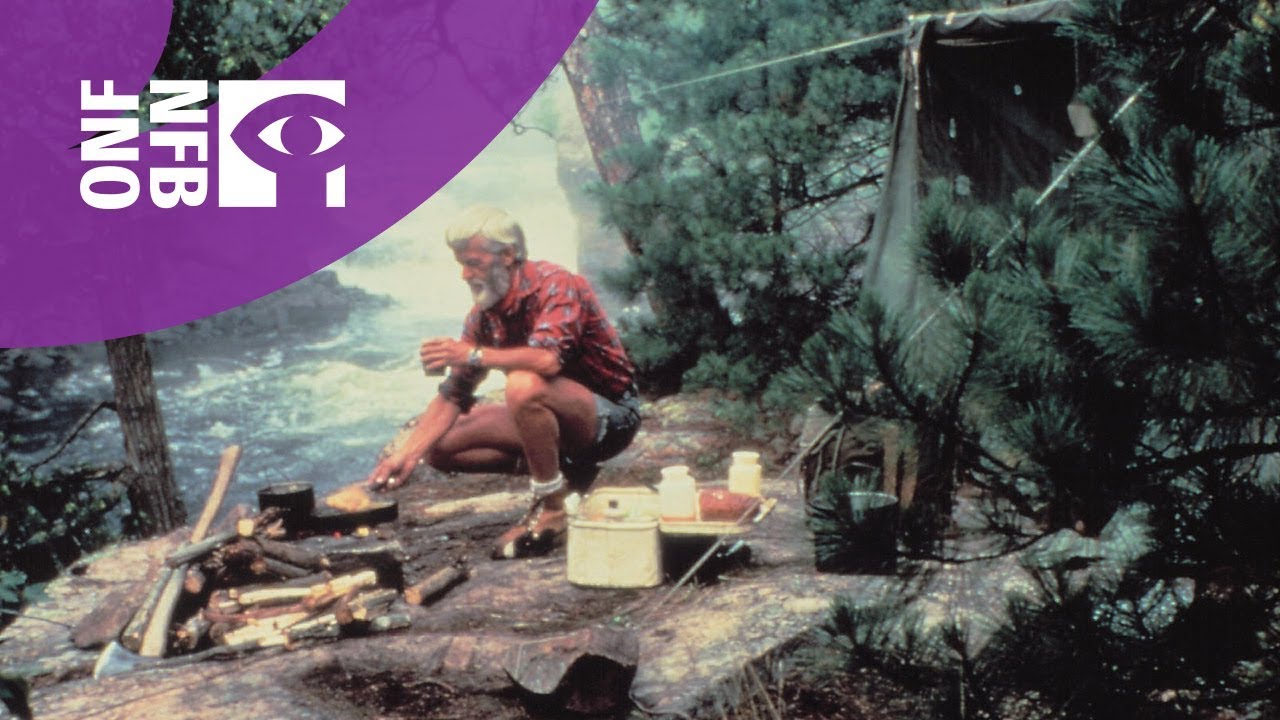
Bill Mason sets out by canoe from Lake Superior, tracing a wilderness river upstream through whitewater rapids and quiet meadowlands to its source. The naturalist and painter narrates his own footage, stopping along the riverbanks to sketch and paint the scenes that catch his eye, and talking through why the canoe itself has become central to how he sees the land. There is little plot beyond the route: rapids run, portages made, campsites set up, water studied for its currents and light. Mason treats the trip as a kind of religious meditation, reading the wilderness as evidence of a creator and framing each landscape as a canvas he did not paint but is trying to capture anyway. Bruce Cockburn's score carries long stretches with no dialogue at all, letting the whitewater and the paddle strokes set the pace. It plays as a record of one man's working method as much as a travelogue, built entirely from what his camera and canoe could reach.