What Are Common Self-Help and Mutual-Support Approaches?
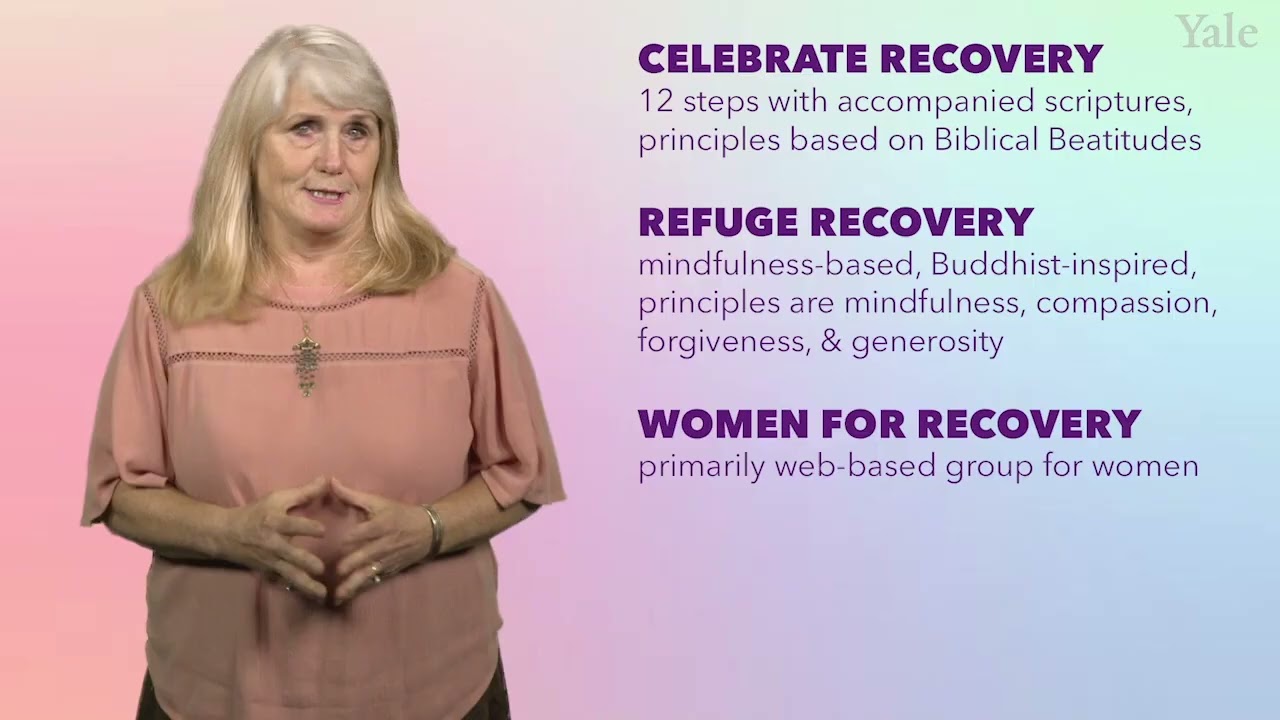
This lesson comes from Yale's clinical training course Addiction Treatment: Clinical Skills for Healthcare Providers, part of a series built around a model patient case and taught by seven Yale instructors. The instructor surveys the range of self-help and mutual-support options available to people recovering from substance use disorder, from unassisted natural recovery to peer-led groups such as AA, SMART Recovery, Celebrate Recovery, Refuge Recovery, Women for Sobriety, and Wellbriety. The lesson explains recovery capital as a concept, discusses how peer support builds motivation and connection, and gives clinicians practical language for patients hesitant to join a group. It closes by encouraging providers to visit peer meetings themselves to better understand what they are recommending. Supported in part by SAMHSA, the lesson is short and targeted, aimed squarely at practicing clinicians rather than a general audience.