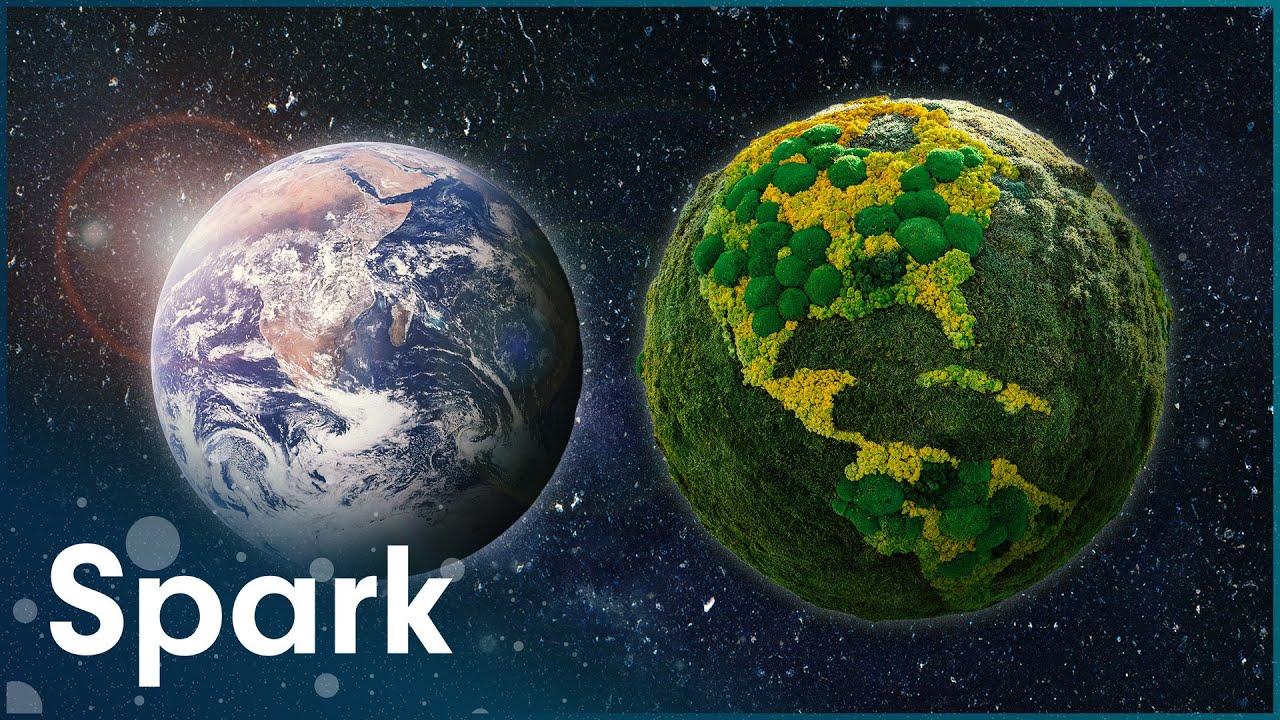
What Exoplanets Could Humans Actually Live On?
Facing climate change and population growth, the film asks a blunt question: if humanity had to leave Earth, where in the solar system, or beyond it, could people actually survive? It starts close to home, weighing the crushing atmospheric pressure of Venus, the radiation belts surrounding Jupiter, and the frozen, geyser-scarred surface of Neptune's moon Triton, using data visualizations and laboratory recreations to show what each environment would do to an unprotected human body or a habitat's hull. The engineering half of the film is the more useful part, walking through what shielding, pressure vessels, and life support would need to withstand on each world before turning outward to exoplanets, comparing candidates against Earth's temperature, gravity, and star type. Scientists appear throughout to frame the tradeoffs between distance, radiation, and resources. The film treats survival as a design problem rather than a fantasy, and its clearest takeaway is how narrow the habitable zone really is once you account for atmosphere and geology, not just orbit.