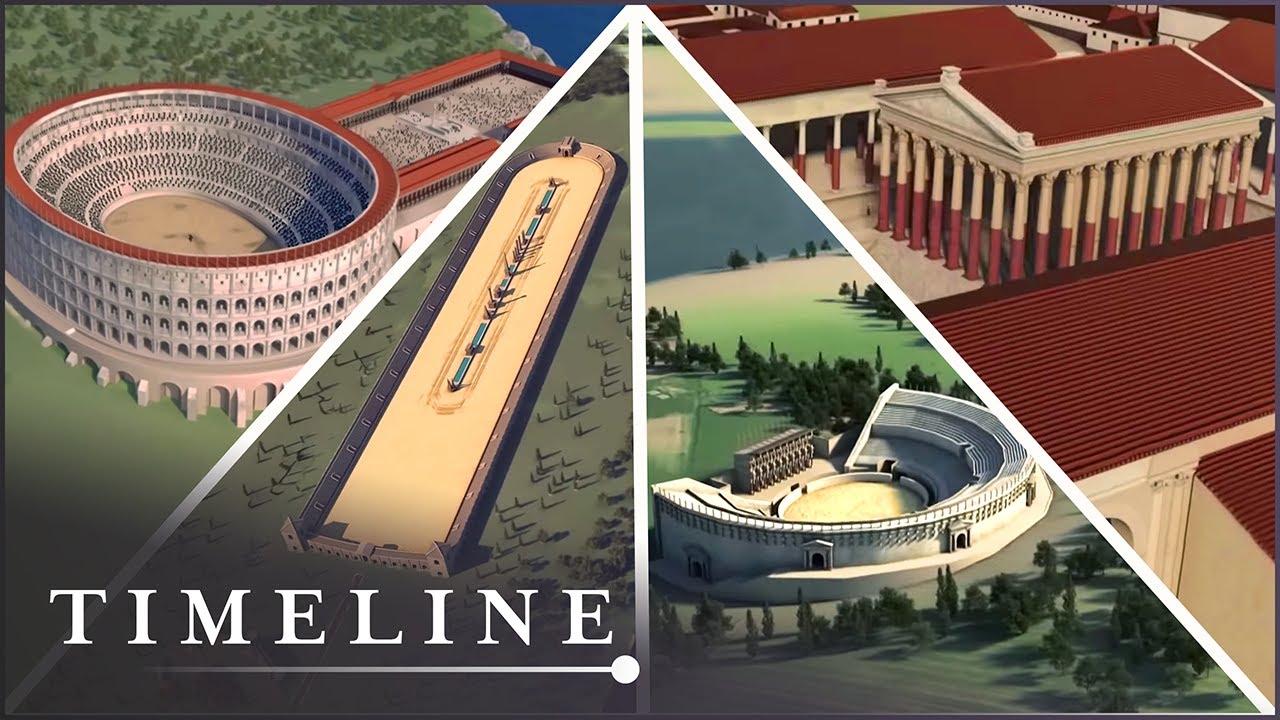
What Remains Of The Roman Empire's Mighty Mega-Structures?
After Julius Caesar's conquest of Gaul in 50 BC, Rome set about turning captured territory into a working part of the empire, and this film follows the construction projects that made that possible. Aqueducts carried water across valleys on stacked arches, straight roads linked garrisons and markets, and amphitheaters and bathhouses brought Roman civic life into towns that had been Celtic strongholds a generation earlier. Historians and archaeologists walk the surviving remains, from aqueduct channels still standing in the French countryside to the foundations of arenas built for provincial audiences, explaining how each structure served Rome's wider strategy of embedding itself rather than simply occupying by force. The film treats these mega-structures as arguments in stone: proof that engineering, not only the legion, held the empire together. It moves site by site through Gaul's Roman infrastructure, showing what has crumbled, what has been excavated, and what still functions two thousand years after the concrete was poured.