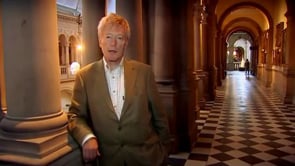
Why Beauty Matters
Philosopher Roger Scruton argues that beauty has been abandoned by contemporary art, and sets out to explain why that loss matters. Standing in front of Poussin and Constable, then in the galleries and studios of modern art, he contrasts the harmony of classical painting with what he sees as the deliberate ugliness of urinals, unmade beds, and pickled sharks. He walks through bombed postwar cities rebuilt in concrete, arguing that architecture lost its human scale at the same moment art lost its nerve, and links both to a wider retreat from ideals of order and proportion. Scruton talks to critics and artists who defend the modern turn, giving the opposing case room before rejecting it. His own argument is unapologetically personal: that beauty consoles, dignifies ordinary life, and gives people a sense of home in the world, and that a culture which stops making beautiful things is a culture in trouble. The film is essentially Scruton's essay on screen, illustrated with the buildings and paintings he is discussing.